Last updated: August 23, 2026
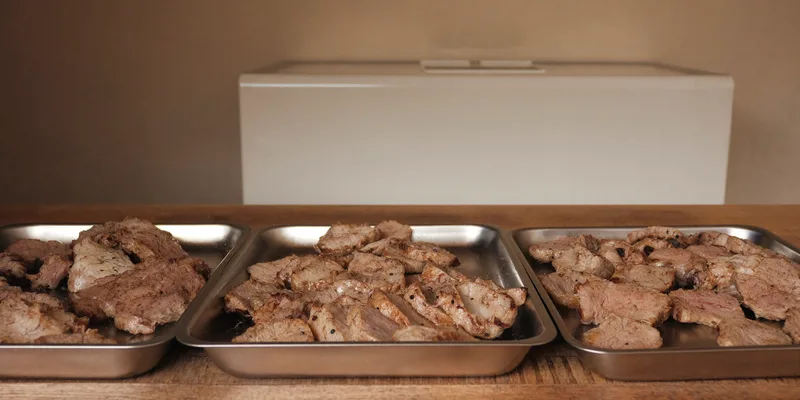
Meat is the reason a lot of people talk themselves into a freeze dryer. A chest freezer full of venison or a bulk beef order is a fragile kind of wealth, and it stops being fragile the moment it is shelf stable. Freeze dried ground beef rehydrates into something you can genuinely build a meal on, which is more than most preserved meat manages.
It is also the food where getting it wrong matters most. Freeze drying removes water, and that is all it does. It is not a cooking step and it is not a pasteurization step, so everything that was on the meat going in is still there coming out. This guide covers the safety order USDA guidance sets out, the fat problem nobody warns you about, and how to store the result.
This article contains affiliate links. If you buy through them, we may earn a commission at no extra cost to you. Learn more.
Quick Answer
How do you freeze dry meat safely at home?
- Cook it first. USDA FSIS lists safe minimum internal cooking temperatures by meat type, and freeze drying is not a substitute.
- Trim fat hard. Fat does not sublimate and it is what makes stored meat go rancid.
- Cook, cool, portion, then freeze dry, in that order.
- Store in mylar with oxygen absorbers, sized to portions you will finish in one go.
Bottom line: freeze drying preserves what you put in it, so put in cooked, lean, cooled meat.
Freeze Drying Is Not a Kill Step
This is the point everything else hangs on. Freeze drying removes moisture by sublimation at low temperature, so it does not heat the food to a temperature that eliminates pathogens. USDA FSIS guidance is explicit that freezing and drying do not destroy the bacteria that cause foodborne illness, they only stop them multiplying.
The practical consequence is that raw meat freeze dried at home stays raw meat, and it has to be treated that way on the shelf and at rehydration. Cooking to a safe temperature before the trays go in removes the problem entirely.
What USDA lists
USDA FSIS publishes safe minimum internal cooking temperatures of 145F for whole cuts of beef, pork, veal and lamb followed by a three minute rest, 160F for ground meats, and 165F for all poultry, each measured with a food thermometer. Cook to those, cool, then freeze dry.
Fat Is the Storage Limit
Water sublimates. Fat does not. Whatever fat is in the meat when it goes on the tray is still there in the finished piece, and over months on a shelf that fat oxidizes and turns rancid, which no amount of oxygen absorber fully prevents. Rancid meat is the most common complaint owners report about long stored freeze dried protein.
So the prep is aggressive. Trim visible fat before cooking, and with ground meat, cook it and then rinse and drain the fat off before it goes on the tray. Extra lean ground beef stores far better than regular ground beef, and that difference shows up after a year, not after a week.
Which meats hold up best
Lean muscle meat is the winner. Chicken breast, extra lean ground beef, venison, turkey and cooked lean pork all store well. Bacon, sausage, fatty ground beef and anything cured in oil are the ones that disappoint on the shelf.
Prep, Cut Size and Loading
Cut cooked meat to a uniform, fairly small size before it goes on a tray. Shredded chicken, crumbled ground beef and small dice all finish evenly and rehydrate quickly. A thick chunk of roast dries slowly from the outside in and can hide a cold, unfinished center.
Spread in a single layer with gaps. Pre freeze the loaded trays in a deep freeze if you can, since that shortens the machine’s own freeze stage and gets you to the drying phase sooner.
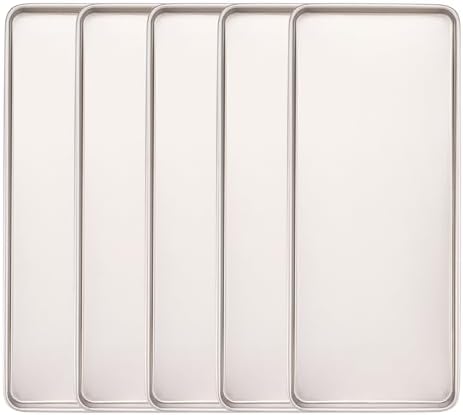
Best second tray set for meat batches
Meat batches encourage back to back runs, because you tend to process a whole freezer section at once. A spare set of stainless trays lets the next load pre freeze while the current one runs.
Meat Types Compared
Four common inputs, and what each one actually does over a long storage period. Fat content is doing most of the work in this table, and cooked lean protein is the consistent answer.
| Meat | Prep before the tray | Storage behavior | Rehydrated result |
|---|---|---|---|
| Extra lean ground beef | Cook to the FSIS ground meat temperature, drain and rinse fat | Very good | Excellent in sauces and chili |
| Chicken breast | Cook to the FSIS poultry temperature, shred | Very good | Excellent, close to fresh texture |
| Venison and lean game | Trim silverskin and fat, cook, dice | Very good | Very good in stews |
| Bacon and sausage | Not recommended | Poor, fat goes rancid | Greasy, off flavors develop |
Cooking temperatures referenced here come from USDA FSIS safe minimum internal temperature guidance; storage behavior reflects manufacturer documentation and reported owner experience.
Storing and Rehydrating
Pack the moment the trays come out. Freeze dried meat pulls moisture from kitchen air quickly, and a piece that reabsorbs moisture before it is sealed will not keep. Have bags, absorbers and the sealer laid out before you open the chamber.
Portion small. A large bag reopened weekly exposes the entire contents to air each time, and meat is the food least tolerant of that. Meal sized bags cost more in packaging and are worth it.
Best bags for meat portions
Thicker mylar resists punctures from dried edges and gives a better long term barrier than thin bags. Pair each bag with an oxygen absorber sized to the bag volume rather than guessing.

Best sealer for a portioning session
A handheld sealer with a built in cutter lets you work through a stack of portions without waiting for a full impulse bar to cycle, which matters when the clock is running on exposed food.

Frequently Asked Questions
Can I freeze dry raw meat? The machine will dry it, but it stays raw. USDA FSIS guidance is clear that freezing and drying do not destroy pathogens, so raw freeze dried meat must still be handled and cooked as raw meat. Cooking before drying is the simpler and safer route.
What temperature should I cook meat to first? USDA FSIS lists 145F for whole cuts of beef, pork, veal and lamb with a three minute rest, 160F for ground meats and 165F for all poultry, measured with a food thermometer.
Why did my stored meat smell off after a few months? Almost always fat. Fat does not sublimate and oxidizes on the shelf. Trim harder, use extra lean ground meat, and rinse cooked ground beef before it goes on the tray.
How long does freeze dried meat keep? Manufacturers publish long storage estimates for properly packaged low fat freeze dried food, but those figures assume oxygen absorbers, an intact seal and cool dark storage. Fat content and packaging quality change the answer far more than the calendar does.
How do I rehydrate it? Add hot water or stock and let it stand, or add it directly to a simmering dish. Our rehydration guide covers timing, and cooked meat rehydrates faster than most people expect.
Is jerky the same thing? No. Jerky is dehydrated and has its own USDA FSIS heat step, covered in our jerky time and temperature guide. Freeze dried meat is not jerky and is not eaten dry as a snack.
The Bottom Line
Cook to the temperatures USDA FSIS lists, trim fat as if it were the enemy, cool the meat before it goes on a tray, and seal into meal sized mylar the minute the chamber opens. Do that and a freezer full of protein becomes a pantry shelf that survives a power cut. For the machine side of the decision, see our Harvest Right guide, and for what the whole setup costs to run, our cost breakdown.