Last updated: August 23, 2026
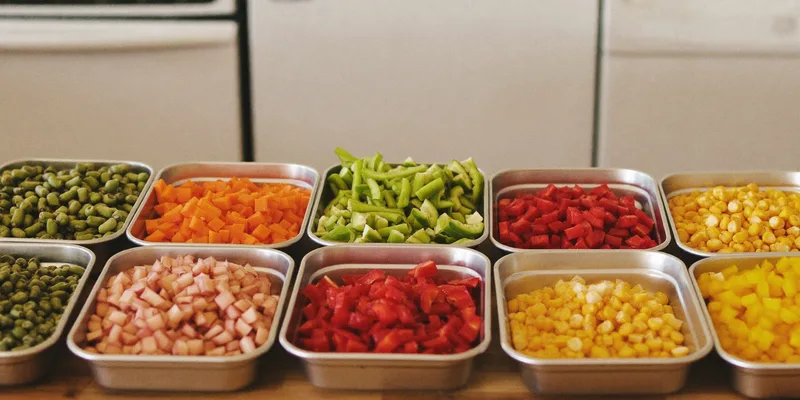
Vegetables are where a home freeze dryer stops being a novelty and starts paying for a shelf in the basement. Fruit and candy get all the attention online, but a tray of peas, corn, diced carrots and green beans turns into a soup base that keeps for years and weighs almost nothing. It is also the batch most likely to come out wrong on the first attempt.
Vegetables vary enormously in water content, density and skin. A tray of spinach finishes long before a tray of diced potato, and a load that mixes both leaves you with half a batch that is still slightly cold in the middle. This guide covers which vegetables reward the tray space, the prep that decides the result, and how to store what comes out.
This article contains affiliate links. If you buy through them, we may earn a commission at no extra cost to you. Learn more.
Quick Answer
Which vegetables freeze dry well at home?
- Peas, corn, green beans, diced carrots, bell peppers and broccoli are the reliable core.
- Blanch the vegetables that need it, as the NCHFP freezing guidance describes, before they go on a tray.
- Cut everything to one size per tray, and keep one vegetable per tray where you can.
- Store in mylar with oxygen absorbers, not in the bag it came off the tray in.
Bottom line: uniform pieces and one vegetable per tray solve most first batch problems.
What Freeze Drying Does to a Vegetable
Freeze drying freezes the food solid, then pulls a vacuum so the ice turns straight to vapor without melting. The cell structure stays roughly where it was, which is why a freeze dried pea rehydrates into something recognizably pea shaped rather than the shrunken bead a dehydrator gives you.
That structure is also the reason vegetables reward the process more than fruit does. A dehydrated carrot is a hard chip that needs long soaking. A freeze dried carrot dice returns to usable texture in a hot pan of stock in minutes.
Why the machine is mostly sold direct
Home freeze dryers are largely a direct to consumer market. Harvest Right and Blue Alpine sell most of their machines through their own websites rather than through Amazon, so the honest advice is to price the machine at the source. Trays, tray accessories, pump oil and storage supplies are a different story and are widely available.
Blanching: Do It, With One Exception
Blanch the vegetables that the NCHFP freezing guidance says to blanch, and blanch them for the times that guidance lists. Blanching stops enzyme activity, and enzymes keep working slowly in frozen and dried food, degrading color and flavor over the long storage periods freeze drying is meant for.
The exception is anything you are freeze drying already cooked, such as leftover soup vegetables or roasted potato. Those have already had the enzyme problem solved by cooking. Onions, peppers and herbs are the usual short list of raw items commonly dried without blanching.
Chill before you load
Blanched vegetables must be cooled fully and drained before they hit a tray, because residual heat and surface water both add to the run time. A cold, pre frozen tray shortens the freeze stage and saves hours over a full batch.
Trays, Cut Size and Loading
The single biggest quality variable is piece size. Every piece on a tray should be roughly the same thickness, because the machine finishes when the slowest piece finishes. A tray of mixed dice and whole florets guarantees either over processed small pieces or under dried large ones.
Spread in a single layer with visible gaps. A heaped tray does dry, eventually, but it can add hours and the middle is where cold spots hide. Weigh a tray before and after if you want a reliable finish check.
Best spare trays for back to back batches
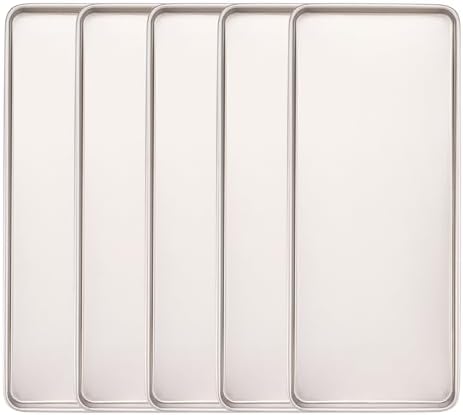
Running vegetables in sequence works far better when a second set of trays is already loaded and pre frozen in the deep freeze. Stainless trays are the standard replacement and the standard second set.
Best way to run several vegetables in one batch
Tray dividers let you keep peas, corn and carrots separate on the same tray so they do not share flavor or get mixed at packing time. Keep pieces the same thickness across sections and they finish together.

Which Vegetables Earn the Tray Space
Not everything is worth a run. Water heavy vegetables with useful texture do best. Dense starchy items work if cooked and cut small. Fatty and oily foods are the ones to keep out entirely, since fat does not freeze dry and it goes rancid in storage.
| Vegetable | Prep | Result | Notes |
|---|---|---|---|
| Peas and corn | Blanch per NCHFP, drain, freeze flat | Excellent, rehydrates fast | The easiest first batch |
| Carrots, green beans | Blanch per NCHFP, cut uniform | Very good | Dice rather than slice for soup use |
| Peppers, onions | Chop, no blanching needed | Very good | Onion odor carries, run alone |
| Potatoes, squash | Cook first, cut small | Good | Raw starch rehydrates poorly |
Blanching requirements and times come from the NCHFP freezing guidance; drying behavior reflects manufacturer documentation and common owner practice.
Testing Dryness and Packing Up
A finished piece snaps rather than bends and feels room temperature, not cool. Cold in the center means ice is still sublimating and the batch needs more dry time. Break the thickest piece from the middle of the middle tray, since that is the last place to finish.
Pack immediately. Freeze dried vegetables are extremely hygroscopic and will start pulling moisture out of the kitchen air within minutes of coming off the tray. Have bags and absorbers open and ready before you unload.
Best long term storage for a vegetable batch
Mylar with an oxygen absorber sized to the bag is the standard for multi year storage. Portion into meal sized bags rather than one large one, because every reopening exposes the whole batch.

Best sealer for mylar portions
A handheld mylar sealer with a cutter handles bag after bag without heating up a full impulse bar, which suits the portioning workflow a vegetable batch creates.

Frequently Asked Questions
Do I have to blanch vegetables before freeze drying? Blanch the ones the NCHFP freezing guidance lists for blanching, and use its times. Blanching stops enzyme activity that keeps degrading color and flavor during long storage. Onions, peppers and herbs are commonly dried without it.
How long does a vegetable batch take? It varies by water content, piece size and how cold the load was going in, so the machine’s own dry time indicator is a better guide than a fixed number. Pre freezing the loaded trays shortens the run noticeably.
Can I freeze dry raw potatoes? They dry, but they rehydrate badly and can discolor. Cook or partly cook them first and cut them small. The same applies to most dense starchy vegetables.
What should never go in? Anything high in fat or oil. Fat does not sublimate, it stays in the food and goes rancid in storage, which is why avocado and oily prepared dishes are poor candidates.
How do I rehydrate freeze dried vegetables? Add them straight to soup, stew or a hot pan with liquid, or soak in warm water for a few minutes. Our rehydration guide covers ratios and timing by food type.
Is a freeze dryer worth it just for vegetables? For most households, only if you already grow or buy in volume. The machine is a significant purchase and our cost breakdown lays out what the ongoing consumables add.
The Bottom Line
Blanch what the NCHFP guidance says to blanch, cut everything on a tray to one size, keep vegetables separated, and have mylar and absorbers open before the trays come out. Vegetables are the most useful thing most home freeze dryers ever produce, and they are also the least forgiving of a rushed load. If you are still deciding on a machine, start with our Harvest Right guide, and if you want the meat side of the same question, see freeze drying meat.