Last updated: August 23, 2026
Fruit is the reason most people want a freeze dryer. Strawberry slices that snap, whole raspberries that dissolve on the tongue, apple rings a kid will eat instead of chips: none of it comes out of a dehydrator the same way. Fruit is also the food that produces the most disappointed first batches, and the complaints are remarkably consistent.
Blueberries come out with wet centers. Mango and pineapple stay tacky no matter how long the cycle runs. Banana slices weld to the tray. Every one of those is a preparation problem rather than a machine problem, and every one has a fix that costs nothing or close to it. Here is how the fruit side actually works, food by food.
This article contains affiliate links. If you buy through them, we may earn a commission at no extra cost to you. Learn more.
Quick Answer
How do you freeze dry fruit without sticky or wet results?
- Break the skin on berries. Whole blueberries, grapes and cherries hold water behind a waxy skin.
- Slice to a consistent thickness. Mixed thicknesses guarantee some pieces finish and others do not.
- Pre freeze on the trays. It shortens the cycle and keeps slices from spreading.
- Expect high sugar fruit to feel tacky. Mango, pineapple and banana never get as brittle as apple.
Bottom line: uniform pieces, broken skins, a liner on the tray, and a sealed bag as soon as it comes out.
Why Berries Come Out Wet in the Middle
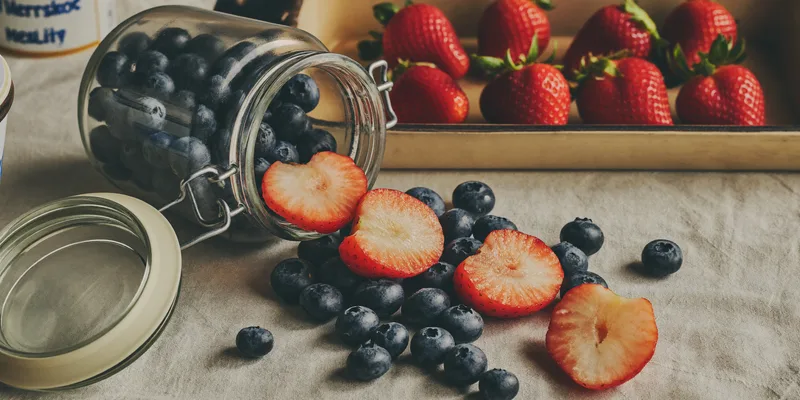
Because the skin is doing its job. Blueberries, grapes, cranberries and cherries have a waxy cuticle that evolved to keep water inside the fruit, and vacuum does not care how long you wait if vapor has no route out. The result is a berry that looks finished, weighs too much, and turns out to be a liquid center when you bite it.
The fix is mechanical. Halve them, or pierce or score the skin before loading. Halved blueberries dry evenly and taste identical, and a cherry pitter earns its keep here for cherries and grapes alike. Anyone insisting whole berries work fine is either running very long cycles or has not checked the middle.
How to Tell a Batch Is Really Done
Weigh a tray before and after if you want certainty, and check the thickest pieces from the center of the middle tray, not the thin ones at the edge. A finished piece snaps or crumbles rather than bending. If anything bends, run more dry time before packaging, because one wet piece will spoil the moisture balance of a whole sealed bag.
Sticky Fruit Is Not a Failed Batch
High sugar fruit stays slightly tacky, and that is normal. Mango, pineapple, banana, dates and very ripe peaches all carry enough sugar that the finished piece feels soft to the fingertip even when the water is gone. People add dry time trying to fix it, get the same result, and conclude the machine is underperforming.
Handle it with packaging and portioning instead. Tacky pieces clump in a bag, so break them apart before sealing, keep portions small, and store with an absorber. If you want brittle, choose fruit with lower sugar or slice it thinner.
Liners Solve the Welding Problem
Banana, mango and anything syrupy bonds to bare stainless. Owners then scrape trays with metal, scratch them, and the next batch sticks even harder. A silicone liner sized for your trays makes the whole issue disappear and turns cleanup into a rinse.

Prep by Fruit
Most fruit needs three decisions: peel or not, how thick to slice, and whether the skin has to be broken. Get those right and the cycle is unremarkable. The table below covers the fruits home users run most, with the prep that prevents the classic failure for each one.
| Fruit | Prep | How it comes out | Watch out for |
|---|---|---|---|
| Strawberries | Hull, slice evenly | Crisp, snaps cleanly | Thick slices from large berries stay soft |
| Blueberries | Halve or pierce the skin | Light and crunchy | Whole berries hold wet centers |
| Apples | Core, slice thin, peel optional | Very brittle, chip like | Browning if they sit before loading |
| Bananas | Slice on a liner | Sweet, slightly tacky | Bonds hard to bare trays |
| Mango and pineapple | Peel, slice thin and even | Chewy edge, never fully brittle | Clumping in the bag after sealing |
| Grapes and cherries | Halve, pit cherries | Intensely sweet | Whole fruit will not finish |
Does Pre Freezing Help?
Yes, for two practical reasons. Loading fruit that is already frozen solid shortens the machine’s own freeze stage, which shortens the whole cycle, and it stops soft slices from slumping into each other while the chamber comes down to temperature. On a busy harvest weekend it also lets you bank fruit until you have a full load.
Freeze on the trays or on parchment lined sheet pans so pieces stay separated, then transfer. What you should not do is load a solid block of frozen fruit from a bag, because the middle of the block dries last and by hours, not minutes.
A Second Tray Set Doubles Your Throughput
During berry season the bottleneck is not the machine, it is having somewhere to stage the next load while the current one runs. A spare set of trays means you prep, freeze and stack while the cycle finishes.

Storing Fruit So It Stays Crisp
Freeze dried fruit is drier than the air in your kitchen, so it starts pulling moisture back the moment it leaves the chamber. Have bags, absorbers and a sealer ready before the cycle ends. Fruit that sits open on the counter overnight is measurably softer by morning, and that softness never comes back out.
Mylar with an oxygen absorber is the long term answer, jars with a sealer are fine for what you will eat this season, and small portions beat one big bag because every reopening lets air in. For the jar route, our guide to jar sealers covers what actually holds a seal.

Frequently Asked Questions
Why are my blueberries still wet inside? The skin never let the water out. Halve them or pierce the skin before loading and the problem disappears. This is the single most common freeze drying question about fruit, and it applies equally to grapes, cranberries and whole cherries.
Why is my mango still sticky after a long cycle? Sugar. High sugar fruit stays tacky to the touch even when it is dry, and extra hours will not change that. Slice thinner if you want a crisper result, separate the pieces before bagging, and store with an oxygen absorber so it does not clump.
Do I have to pre freeze fruit? No, but it helps. Pre frozen fruit shortens the cycle and holds its shape better on the tray. Just freeze it in a single layer rather than as a solid block, because a block dries from the outside in and adds hours.
Can I freeze dry fruit for smoothie powder? Yes, and it is one of the better uses. Fully dry fruit grinds to a fine powder that keeps well in a sealed jar. Make sure the pieces snap rather than bend before grinding, because any residual moisture turns powder into a solid lump in storage.
Is a dehydrator good enough for fruit? For chips, chews and fruit leather, yes, and it costs a fraction as much. Freeze drying wins when you want the crunchy, dissolve on the tongue texture and long shelf storage. Our comparison sorts which fruit jobs need which machine.
The Bottom Line
Fruit freeze dries beautifully once you break the skins on berries, slice everything to a consistent thickness, use a liner under anything sugary, and accept that mango and banana will always feel a little tacky. Pre freeze when you can, check the thickest piece from the middle tray, and seal the same day with an absorber. For more tray space during berry season see extra trays and liners, and if the machine itself is still a question mark, our comparison with a dehydrator is the place to start.