Last updated: August 23, 2026
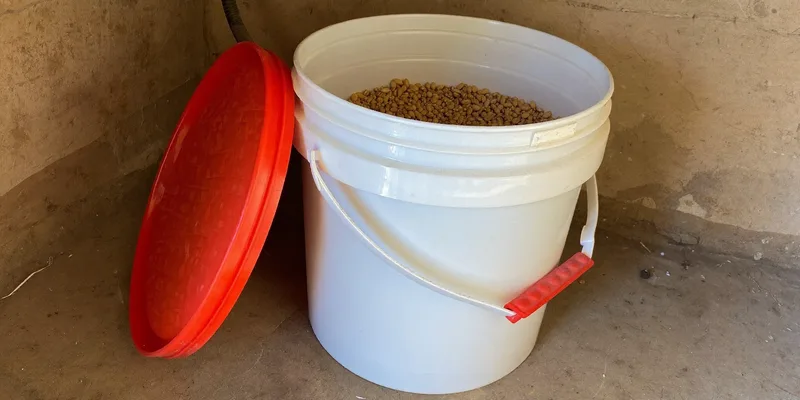
The first time you try to get a snap lid off a full bucket of dog food with wet hands, you understand why gamma lids exist. You pry, the rim flexes, the screwdriver slips, and eventually the lid comes up with a bang and a chunk missing. After that a screw off lid feels less like an accessory and more like the obvious thing.
What gets muddled is what that convenience costs. Gamma lids are sold beside mylar bags and oxygen absorbers, so people assume they belong in the same sentence, and then they store wheat for years under one and wonder why the results are patchy. The lid is excellent at one job and average at the other, and it is worth being clear about which is which.
This article contains affiliate links. If you buy through them, we may earn a commission at no extra cost to you. Learn more.
Quick Answer
Are gamma lids worth putting on your buckets?
- Yes for anything you open weekly. Dog food, flour in rotation, rice you cook from, sugar, salt.
- Two parts: an outer ring you tap onto the bucket rim once, and a center that screws in and out with a gasket.
- Gamma2 lists its Gamma Seal Lid as fitting 3.5 to 7 gallon buckets with a 12 inch diameter opening, so check your bucket before ordering.
- Not a substitute for mylar. For food you are putting away for years, the sealed bag and the oxygen absorber still do the real work.
Bottom line: buy them for access, not for preservation. Working buckets get gamma lids, sealed buckets keep the snap lid.
How a Gamma Lid Works
It is two pieces. The outer ring snaps permanently onto the bucket rim, the way a normal lid does, and you seat it with the heel of your hand or a rubber mallet all the way around. The inner lid then screws into that ring on a coarse thread, with a gasket that compresses as it tightens. From then on the bucket opens with a twist.
The ring is the fiddly part and the part people rush. It has to be fully down on the rim the whole way around, and if one section is proud the thread pulls unevenly and the seal is poor. Work around it two or three times rather than trying to force one section down in a single go.
Getting the Ring On Without a Fight
Warm plastic is easier. A bucket that has been in a cold garage is stiff, and ten minutes indoors makes a real difference. Tap around the ring in small steps with a rubber mallet, checking underneath with a fingertip for the click of the lip catching, rather than hammering one spot until it is down.
What They Genuinely Do Well
They make a bucket usable. One handed opening, a lid you cannot misplace because it stays attached to the ring, and no more chipped rims from prying. For pet food, chicken feed, softener salt, flour in rotation and anything you scoop from every few days, that is the whole argument and it is a good one.
They also keep pests out reliably. The gasket and thread give a rodent nothing to start on and stop pantry insects walking in, which is the practical everyday threat in a garage or basement.

Where the Marketing Runs Ahead of the Lid
Gamma lids are commonly described as airtight, and for daily use they behave that way. What they are not is a proven long term oxygen barrier. The gasket is a compression seal on a threaded plastic joint, it gets opened and closed repeatedly, and it sits on a polyethylene bucket that is itself slowly permeable to oxygen.
That is why the standard home method for multi year storage is still a mylar bag with an oxygen absorber inside the bucket, whatever lid is on top. The bag is the barrier, the absorber removes the trapped oxygen, and the lid is there to keep light, dust and teeth away from the bag. Our guides to mylar bags and oxygen absorbers cover the sizing.
The One Combination to Avoid
Do not put a loose oxygen absorber into a bucket of grain and close a gamma lid over it. The absorber saturates on whatever air keeps reaching it, you get no vacuum, and you have used up an absorber for nothing. Absorbers work inside a sealed bag, not inside a bucket.
Will It Fit Your Bucket
Most standard round pails in the 3.5 to 7 gallon range take the same lid, because they share a rim diameter. Gamma2 lists its Gamma Seal Lid as fitting 3.5, 5, 6 and 7 gallon buckets with a 12 inch diameter opening. Square buckets, tapered utility pails and some imported buckets have their own rim profiles and will not take one.
Measure across the outside of the rim before you order a stack of them. It takes a minute and it saves a pile of lids that almost fit, which is the single most common complaint owners report about them.

Lid Options Compared
The table lines up the closures you can put on a food grade bucket and what each one is really for. Fit ranges are as listed by the lid makers rather than a measurement of our own.
| Lid type | Access | Seal in practice | Use it for |
|---|---|---|---|
| Standard snap lid | Needs a lid opener tool | Tight, meant to stay shut | Buckets you seal and leave |
| Gamma screw lid | One hand, twist off | Good against pests and dust | Working buckets you open weekly |
| Snap lid with a spout | Pour without opening | Fine for liquids, poor for grain | Oils, brines, non food |
| Mylar bag inside any lid | Cut open once | The actual oxygen barrier | Multi year storage of dry staples |
The last row is the point. The lid decides how you live with the bucket, the bag inside decides how long the food keeps. Our guide to food storage buckets covers the shell itself.
Living With Them
Do not overtighten. The thread only needs to be snug for the gasket to compress, and cranking it down hard makes the next opening harder without improving the seal. Keep the thread clean, since flour dust in the groove is what makes a lid squeak and bind.
Label the lid itself rather than the bucket if you rotate contents, because a wide flat lid takes a strip of tape and a marker better than a curved side does. Colored gamma lids are also a cheap way to sort a stack at a glance, which matters more than it sounds when you have a dozen identical buckets in a closet.
Frequently Asked Questions
Are gamma lids airtight? They seal well enough to keep out pests, dust and humidity swings, and owners generally report no leaks in normal use. They are not a proven oxygen barrier for multi year storage, which is why mylar and an absorber still go inside the bucket for anything you are putting away for years.
Will a gamma lid fit any 5 gallon bucket? It fits standard round pails that share the common rim profile. Gamma2 lists its lid as fitting 3.5 to 7 gallon buckets with a 12 inch diameter opening. Square, tapered and some imported buckets will not take one, so measure your rim first.
Can I take the outer ring off again? Not easily, and not without risking the bucket rim. Treat fitting the ring as permanent and put it on the bucket you actually want to be a working bucket.
Will the bucket leak if it tips over? With a properly seated ring and a snug lid, a tipped bucket of dry goods holds. Liquids are a different matter, since a threaded gasket under a full head of liquid is more likely to weep than a snap lid.
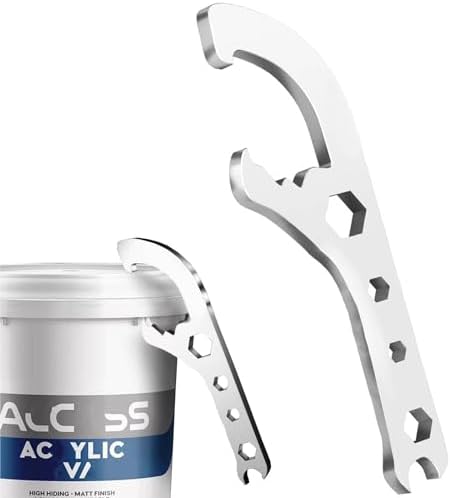
Do I still need a bucket lid opener? Keep one for the sealed buckets that still wear their original snap lids. Once a gamma ring is on, you will not need the tool for that bucket again.
The Bottom Line
Put gamma lids on the buckets you open, keep snap lids on the ones you seal and forget, and measure the rim before you order. Seat the outer ring properly, do not overtighten the center, and keep the mylar bag and oxygen absorber inside the bucket where the preservation actually happens. Read next: food storage buckets for food grade and sizing, and long term food storage for how the whole stack fits together.