Last updated: August 23, 2026
You bottled the sauce on Sunday, gave four bottles away, and on Thursday somebody texts a photo of an orange ceiling. Or the caps have domed, or opening one sounds like a soda. It is the most common way a good ferment turns into a bad week, and it happens to people who did everything else right.
The cause is simple. A fermented sauce that still has live yeast and bacteria and any residual sugar keeps producing carbon dioxide, and a tightly capped bottle has nowhere to put it. Fixing it means either stopping the fermentation or giving the gas somewhere to go, and knowing which one you did.
This article contains affiliate links. If you buy through them, we may earn a commission at no extra cost to you. Learn more.
Quick Answer
Why does fermented hot sauce build pressure in the bottle?
- The ferment is still active. Live cultures plus residual sugar keep making carbon dioxide after the cap goes on.
- The free fix is the refrigerator. Cold slows fermentation sharply, and refrigerated sauce is the default for home batches.
- Leave headspace, burp bottles for the first days, and never fill a bottle to the neck.
- Measure the pH rather than guessing. The USDA Complete Guide to Home Canning treats pH 4.6 as the dividing line between acid and low acid foods.
Bottom line: refrigerate as the default, measure the acidity, and treat shelf stable bottling as a separate decision that needs a tested process.
What Is Actually Happening in the Bottle
Lactic acid bacteria eat the sugars in the peppers and produce acid and carbon dioxide. During the open ferment the gas escapes through the airlock. Bottle the sauce while that process is still running and the gas has nowhere to go, so pressure builds until the cap gives or the bottle does.
Anything that feeds the culture speeds this up. Added sugar, fruit, carrots or honey in the recipe give the bacteria more to work with, which is why sweeter sauces are the ones that most often push their caps. A very sour, fully fermented mash is less lively but never completely inert.
The Free Fixes, in Order
Work through these before buying anything, because most of them solve the problem on their own. Refrigerate the sauce, leave real headspace, burp the bottles daily for the first week, and only bottle after the ferment has genuinely slowed rather than when you run out of patience.
Refrigeration is the big one. Cold does not sterilize the sauce, it just slows the culture down to a crawl, which for a home batch that is going to be eaten within months is entirely sufficient. Almost every problem in this article disappears if the bottles live in a refrigerator instead of a cupboard.
Let the Ferment Finish First
Bubbling that has slowed to almost nothing, a stable sour taste over several days, and a pH reading that stops moving all point to a ferment that is done. Bottling into the tail of an active ferment is how people end up with a lively bottle regardless of anything else they do.
Headspace and Burping
Fill to the shoulder, not the neck, so there is a gas space at the top. For the first week, crack each cap over a sink once a day and listen. Once a bottle stops hissing on opening, the culture has settled down in the cold.
Measure the Acidity Instead of Guessing
Acidity is what keeps a sauce safe, and it is the one thing you cannot judge by taste. The USDA Complete Guide to Home Canning divides foods at pH 4.6, with foods at or below that counted as acid foods, and the FDA uses the same figure in defining acidified foods in 21 CFR Part 114.
Test strips give a rough band and struggle with dark or strongly colored sauces. A digital meter with automatic temperature compensation gives a number you can record for each batch, which also lets you see when a ferment has stopped moving. Our guide to pH meters for canning covers what to look for in one.
Best way to know where your batch actually sits

A Meter That Is Not Calibrated Is a Guess With a Screen
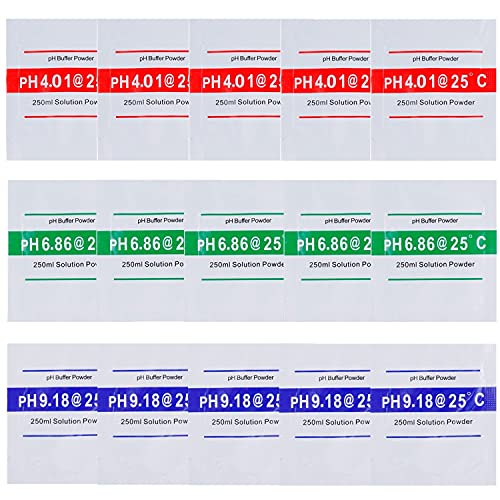
Meters drift, and an uncalibrated reading is worse than no reading because it feels authoritative. Calibrate against fresh buffer solutions before each batch, store the probe wet in storage solution rather than dry, and rinse it between samples.
Best buffer set to keep the meter honest
Stopping the Fermentation Before You Bottle
If you want a sauce that does not keep working, you have to end the process rather than slow it. The two routes home cooks use are cold and heat: refrigerate and accept that the sauce stays a refrigerator product, or heat the finished sauce and hot fill it, which is a different process with its own requirements.
Be clear about the limits here. Heating a sauce and capping it does not automatically make it shelf stable, and a home ferment with an unknown pH in a cupboard is not a safe assumption. Shelf stable acidified products depend on a tested combination of pH, container, fill temperature and hold time, which is a formulation question rather than a kitchen habit. If in doubt, refrigerate, and check with your state extension service before you sell or give away shelf stable bottles.
What Not to Do
Do not water bath can a low acid sauce to make it keep. Vegetables, garlic and onions are low acid foods, and the NCHFP is clear that low acid foods require pressure canning rather than a boiling water bath, which is covered in our guide to what you cannot water bath can. Do not cap an actively fermenting sauce tightly at room temperature, and do not rely on a sauce tasting sour as proof of anything.
Choosing Bottles That Behave
Woozy bottles with a reducer insert are the standard for a reason: the insert controls the pour, the neck is strong, and the caps are consistent enough to reseal after burping. Swing top bottles handle pressure better but pour badly for a sauce and encourage overfilling.
Whatever you choose, wash and rinse the bottles thoroughly and let them dry before filling. Fill to the shoulder, wipe the rim, and label every bottle with the date and the pH you measured, because a bottle you gave away in October is a bottle you cannot check in January.
Best bottle format for pouring and resealing

Bottling Routes Compared
The table sets out the three routes people actually take and what each one demands. Read the last column as the condition, not as a suggestion.
| Route | What it does | Where it lives | What it requires |
|---|---|---|---|
| Refrigerate as is | Slows the culture, keeps the flavor lively | Refrigerator | Headspace and burping in week one |
| Heat and refrigerate | Ends most activity, calmer bottles | Refrigerator | Some loss of fresh ferment character |
| Shelf stable acidified | Bottles kept outside refrigeration | Pantry | A tested process for your recipe and pH |
| Freeze in portions | Stops everything completely | Freezer | Container headspace for expansion |
Frequently Asked Questions
Why did my hot sauce bottle explode? The ferment was still active when it was capped. Live cultures and residual sugar keep producing carbon dioxide, and a full bottle with a tight cap has nowhere to put it. Refrigerate, leave headspace, and burp the bottles daily for the first week.
Does fermented hot sauce need to be refrigerated? Treat refrigeration as the default for a home batch. It is the simplest way to keep the culture quiet, and it avoids the whole question of whether your particular recipe and pH would be safe on a shelf.
What pH should my hot sauce be? Measure it and record it rather than aiming at a number from a blog. The USDA Complete Guide to Home Canning treats pH 4.6 as the line between acid and low acid foods, and the FDA uses the same figure for acidified foods, so a reading comfortably below it is what home makers work toward.
Can I water bath can my fermented hot sauce? Not on the strength of taste alone. Peppers, onions and garlic are low acid, and the NCHFP requires pressure canning for low acid foods. A tested acidified recipe is a different situation, and it is one to confirm with your extension service rather than to assume.
Can I add vinegar to make it safe? Vinegar lowers the pH, which is why it appears in most bottled sauces, but adding some vinegar is not the same as hitting a verified pH in the finished blend. Measure the result with a calibrated meter, as our pH meter guide describes.
The Bottom Line
Let the ferment finish, bottle with headspace, burp for the first week, and keep the bottles cold. Measure the pH with a calibrated meter and write it on the label, because that number is the only real information you have about the batch. Shelf stable bottling is a separate project that needs a tested process, not a longer boil. Read next: our pH meter guide and the fermentation kit guide for the equipment side.