Last updated: August 23, 2026
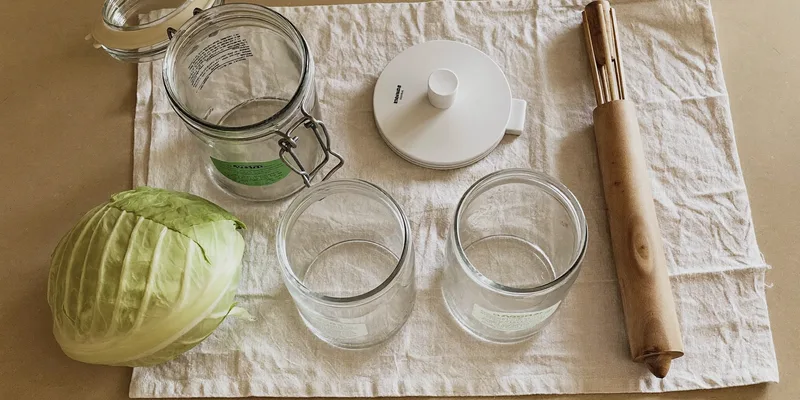
Almost nobody starts fermenting with twenty five pounds of cabbage and a stone crock. They start with one head of cabbage, one jar, and a suspicion that they are about to waste both. That is the right instinct: a quart jar is a cheap experiment, and the whole point of a starter kit is to make small test batches easy enough that you actually run three of them before deciding whether you like this.
The problem with kits is that they range from a genuinely complete set to a bag of silicone lids with a recipe card. This guide is about which parts you actually need on the counter before your first batch, what a kit typically leaves out, and when buying the pieces separately makes more sense.
This article contains affiliate links. If you buy through them, we may earn a commission at no extra cost to you. Learn more.
Quick Answer
What do you actually need in a fermentation kit?
- Jars, a venting lid per jar, and a weight per jar. Those three cover every vegetable ferment.
- A kitchen scale that reads grams, because salt for fermenting is measured by weight against the vegetables, not by eye.
- Canning or pickling salt without iodine or anti caking additives, which NCHFP specifies for fermenting.
- Most kits include lids and weights but not the jars, so check the listing before assuming.
Bottom line: buy a kit for the lids and weights, buy the jars and the scale separately, and start with quarts rather than a crock.
The Three Parts That Do the Work
A vegetable ferment needs a container, something that lets gas out without letting air in, and something that holds the food under the brine. Everything else in a kit is convenience. If a set gives you those three things in matching sizes, it will get you through sauerkraut, pickles, kimchi and hot sauce mash without extra shopping.
The submersion part is not optional. NCHFP states that cabbage and cucumbers must be kept one to two inches under brine while fermenting, and the weight is how a jar achieves that. A kit that includes lids but no weights is only doing two thirds of the job.
Why Quart Jars Beat a Crock for a First Kit
A crock commits you to a big batch of one thing. Four quart jars let you run four different ferments at once, discover that you love kraut and dislike fermented carrots, and lose almost nothing when a batch goes wrong. Scale up later, once you know what you want twenty pounds of.
Starter Kits by Situation
The Straightforward Mason Jar Kit
A set of wide mouth lids with a venting valve or airlock, plus a matching glass weight for each lid, is the most useful thing to buy first. Look for four of each rather than two, because the second batch always starts before the first one finishes. Confirm whether the jars are included; many sets are lids and weights only.

If You Want Everything From One Brand
Ball sells a fermentation set built around its own wide mouth jars, which suits people who already own Ball jars and want lids and weights that are made to fit them. The advantage of a single brand system is that replacement gaskets and spare parts are easy to find later.
The Jars Themselves
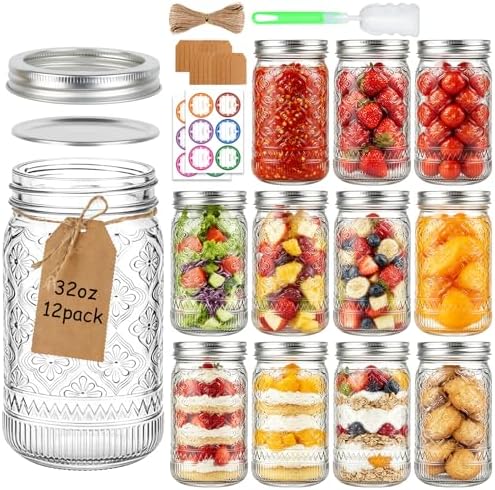
Wide mouth quarts are the sensible default. They take standard fermentation lids and weights, they hold a manageable test batch, and they are useful for a hundred other things when you are not fermenting. Buy a case rather than four, since the price per jar drops and you will use them.
The Part Kits Never Include
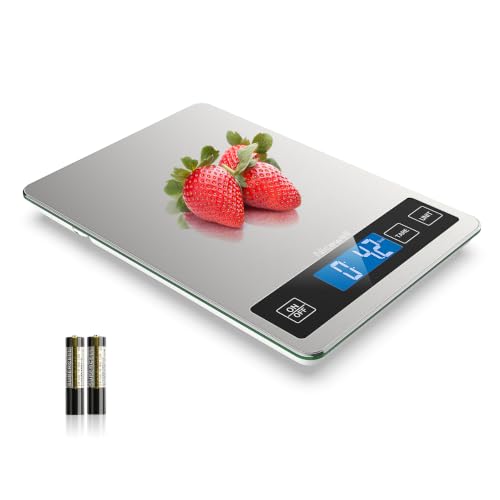
A kitchen scale that reads grams is the piece that turns fermenting from guesswork into something repeatable. Salt for a ferment is calculated against the weight of the vegetables plus water, and a tablespoon of coarse salt and a tablespoon of fine salt are meaningfully different amounts. A basic flat scale with a tare button is enough.
What Belongs in a Kit and What You Add Yourself
| Item | Usually in a kit | Why it matters | Note |
|---|---|---|---|
| Venting lids | Yes | Releases gas, blocks air and insects | Check wide mouth versus regular mouth |
| Weights | Often | Keeps vegetables under the brine | One per jar, not one per kit |
| Jars | Sometimes | The container itself | Read the listing carefully |
| Kitchen scale | Rarely | Salt is weighed against the vegetables | Needs a gram mode and a tare button |
Salt is the fifth item and almost never included. NCHFP calls for canning or pickling salt for fermenting, and notes that salt substitutes containing potassium chloride cause bitterness.
Small Test Batches Are the Whole Point
The most common complaint about fermenting is not that a batch failed, it is that a big batch failed. A quart of shredded cabbage costs almost nothing and takes ten minutes, so you can afford to run one with a heavier hand on the salt and one lighter, or one with caraway and one plain, and learn what your kitchen and your taste actually want.
Batch size also affects timing. NCHFP publishes fermentation at 70 to 75 degrees F taking about three to four weeks for sauerkraut, and 60 to 65 degrees F taking five to six weeks, so the room you leave the jars in matters as much as the recipe. A row of quarts in one spot gives you a fair comparison.
Label Everything on Day One
Three jars of pale shredded vegetable look identical after two weeks. Masking tape and a marker with the date and the salt weight turns each batch into information rather than a guess. This is the habit that separates people who get consistent kraut from people who occasionally get lucky.
Mistakes When Buying a First Kit
Buying a kit that fits a jar you do not own is the big one. Wide mouth and regular mouth lids are different threads, and a kit built around a proprietary jar shape locks you into that brand’s replacement parts. Check what your existing jars are before ordering.
The other is buying a crock as a first purchase. A large stoneware crock is a fine piece of equipment and a poor way to learn, because every mistake is a twenty pound mistake. If you already know you want volume, our fermentation crock guide covers the open versus water seal decision.
Frequently Asked Questions
I want to try one small batch before committing, what is the minimum? One wide mouth quart jar, one venting lid, one weight, and canning or pickling salt. That is a complete setup for a head of cabbage, and it is the cheapest way to find out whether you like the result before buying a case of jars.
Do fermentation kits include the jars? Many do not. Lids and weights are the profitable part and jars are heavy to ship, so plenty of sets are accessories only. Read the item list rather than the photo.
What salt should be in the kit? Canning or pickling salt, which NCHFP specifies for fermenting because it has no iodine and no anti caking agents. NCHFP also warns that potassium chloride based salt substitutes make the result bitter.
Do I need a scale, or can I use tablespoons? NCHFP publishes its sauerkraut recipe in tablespoons per pound of cabbage, so a measured spoon works for that recipe. A gram scale becomes worth it the moment you leave a published recipe, because coarse and fine salt fill a spoon very differently.
Is a starter kit worth it compared to buying parts separately? For lids and weights, usually yes, because the sizes are designed to match. For jars and salt, buying separately is normally cheaper and gives you better choices.
Can I ferment in a plastic container instead? NCHFP accepts food grade plastic and glass containers as substitutes for a stone crock, and allows non food grade plastic containers of one to three gallons if they are lined with a clean food grade plastic bag.
Is the Masontops kit the one everyone recommends? Masontops is the brand behind the Pickle Pipe silicone valve lid and the Pickle Pebble glass weights, sold together as a wide mouth mason jar kit. It is the name that comes up most often for beginners, but Ball and the other jar brands sell close equivalents. Choose on lid type and jar fit rather than on the name on the box.
The Bottom Line
A fermentation kit is worth buying for the parts that have to match each other, which means the lids and the weights. Add wide mouth quart jars, a gram scale and canning salt yourself, start with small batches you can afford to lose, and label everything. Once you know which ferments you actually eat, scale the ones that earned it. Next steps: the sauerkraut brine ratio guide for the salt math, and the fermentation jars guide if you want to size up beyond quarts.