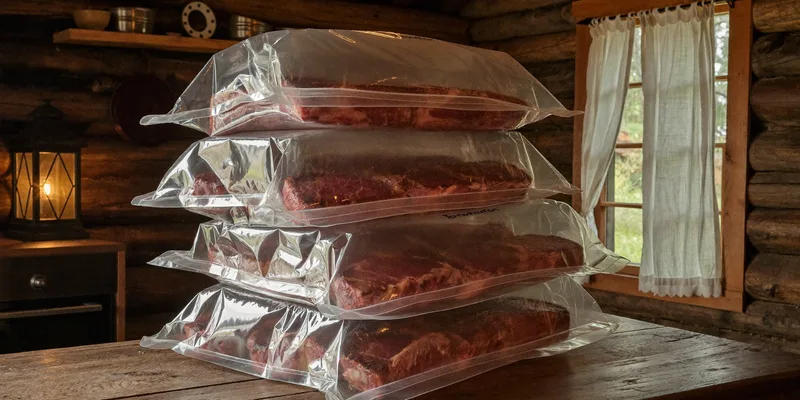
Last updated: August 23, 2026
The Weston name comes up in one very specific conversation. Someone has a whole deer on the table, a countertop sealer that quits after eight bags, and a freezer that needs filling tonight. The question is never which machine is nicest. It is which machine keeps sealing at bag forty without a cooldown light.
That is the problem Weston builds for, and it shows in what the listings emphasize: seal bar width, pump type and a fan cooled motor. Those three specs decide whether a sealer suits processing day, and they are the ones worth comparing across the Pro line before you spend anything.
This article contains affiliate links. If you buy through them, we may earn a commission at no extra cost to you. Learn more.
Quick Answer
Which Weston vacuum sealer should you actually buy?
- Pro-2300 if you process game or buy meat in bulk. Weston lists a double piston pump, a fan cooled motor for repetitive use and a 5 mm bar for bags up to 15 inches.
- Pro-2100 if you want the same machine in a painted steel shell rather than stainless.
- Pro-1100 if 11 inch bags are wide enough and you want adjustable seal time plus a roll holder.
- None of them if you mainly bag soup. Liquids belong in a chamber machine.
Bottom line: choose on bag width first and continuous use second. Everything else in the Weston listings follows from those two.
What Weston Lists Across the Pro Line
Weston lists the Pro-2300 with a double piston pump rated at 28 inches of mercury, 935 watts, an extra wide 5 mm seal bar for bags up to 15 inches, a fan cooled motor and a stainless steel body, plus automatic and manual seal modes under a clear acrylic lid. The Pro-2100 is described with the same working parts in a powder coated steel shell. The Pro-1100 handles bags up to 11 inches at 680 watts and adds adjustable seal time with a built in roll holder.
Weston’s own listing title for the Pro-2300 uses the phrase commercial grade. Treat that as marketing language rather than a certification, because no standards body issues that label. What is verifiable is in the spec list, and that is what the rest of this page works from.
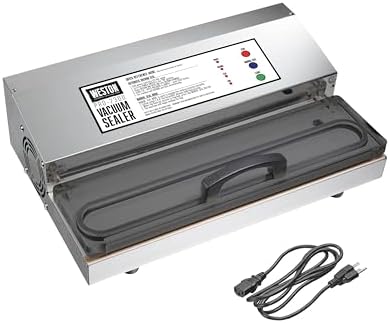
Why Hunters Keep Coming Back to the Pro-2300
Two listed features do the work. A double piston pump pulls harder than the diaphragm pumps in most household sealers, and a fan cooled motor is specified for continuous, repetitive use rather than a handful of bags at a time. Processing day is exactly the workload that exposes the difference.
The Overheat Cooldown Is the Real Complaint
The single most common frustration owners report with budget sealers is not a bad seal, it is the machine forcing a pause after a short run. Sealing thirty backstrap portions turns into an evening of waiting. A fan cooled unit is built to avoid that, which is why the same machines keep appearing in hunting and butchering conversations.
If you are working through a large animal, the sealer is only one part of the setup. Bag choice, portion size and how you handle bone edges decide as much as the machine does, and those are covered in sealing meat for the freezer.
Seal Bar Width Is the Decision You Cannot Undo
Bag width sets a hard ceiling on what fits. An 11 inch bar means 11 inch bags, and a whole loin, a rack of ribs or a large roast simply will not lie flat inside one. A 15 inch bar takes those cuts, and it also lets you seal two smaller portions side by side, which is a quiet time saver on a long night.
The 5 mm bar width on the Pro machines matters for a different reason. A wider weld gives you more material holding the seal, which is what you want on a bag that will be handled frozen, stacked and shuffled for a year. Thin single line seals are where long stored bags tend to let go, and bag thickness and texture is the other half of that story.

How the Three Pro Models Compare
The line is simpler than it looks. The Pro-2100 and Pro-2300 share their working parts and differ in the shell, and the Pro-1100 is the narrower machine with more control over the seal itself. Choose on bag width unless adjustable seal time is a feature you know you want.
| Model | Bag width listed | Listed power | Best suited to |
|---|---|---|---|
| Weston Pro-2300 | Up to 15 inches | 935 watts, double piston pump | Game processing, bulk meat, stainless finish |
| Weston Pro-2100 | Up to 15 inches | 935 watts, double piston pump | Same work, painted steel shell |
| Weston Pro-1100 | Up to 11 inches | 680 watts | Smaller cuts, adjustable seal time, roll holder |
| Any external sealer | Set by the bar | Varies | Not liquids, which need a chamber machine |
If the table pushes you past the Pro line entirely, the heavier duty tier is where the next step up lives, and the general sealer guide covers the household end.

Where a Weston Is the Wrong Buy
Three situations. If you seal a few bags a month, you are paying for capacity you will never use. If your main job is soup, stock and marinade, an external machine of any brand will pull liquid toward the pump, and a chamber sealer is the answer. And if counter space is scarce, these are large machines that do not tuck away.
There is also a limit that applies to every sealer regardless of price. Vacuum sealing slows spoilage and fights freezer burn, it does not make wet low acid food safe on a shelf, and it does not replace canning. That distinction is set out in vacuum sealing against canning, and it is worth reading before a first big processing day.

Frequently Asked Questions
What is the difference between the Weston Pro-2100 and Pro-2300? Weston lists the same working specification for both, with the difference in the outer shell. The Pro-2300 is stainless steel and the Pro-2100 uses a powder coated steel body. If the finish does not matter to you, buy whichever is easier to get.
Can a Weston sealer handle marinades and brine? Not cleanly. Every external sealer pulls air out through the open end of the bag, so liquid travels toward the pump. Freeze the liquid first, use the manual seal mode to stop the vacuum early, or move to a chamber machine if wet food is routine.
Do I need Weston branded bags? No. Any embossed or channeled bag of the right width works in an external sealer, and buying rolls rather than pre cut bags usually costs less per seal. Match the width to your bar and the thickness to how long the food will be stored.
My seals keep failing along one edge. What now? Start with the free fixes. Wipe the bag mouth completely dry, make sure no fat or crumbs sit in the seal path, lay the bag flat with no wrinkles crossing the bar, and let the machine cool if you have been running it hard. If it persists, inspect the foam gasket and the seal tape for wear, since those are consumable parts on any sealer.
Is the Weston overkill for a garden harvest? Often, yes. Vegetables are light work compared with meat, and a mid range countertop sealer keeps up fine. The Weston earns its keep when the load is heavy, repetitive and measured in pounds rather than bags.
The Bottom Line
Buy a Weston for bag width and continuous running, not for the badge on the front. The Pro-2300 and Pro-2100 are the same machine in different shells and take bags up to 15 inches, which is what a whole loin or a large roast needs. The Pro-1100 is the narrower option with more control over seal time. If your real problem is liquid rather than volume, none of them is the answer and a chamber sealer is. Read next: sealing meat for the freezer, and the countertop sealer guide for the tier below.