Last updated: August 23, 2026
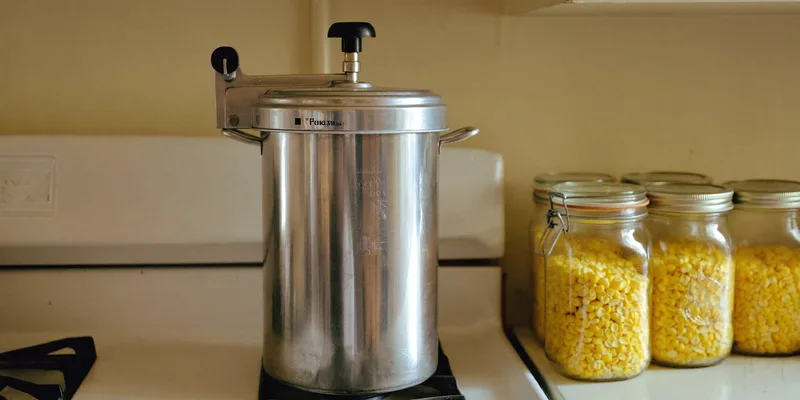
Presto is the canner most American kitchens end up with, and usually the first one anybody buys. It is aluminum, it is light enough to lift full, it sits on a normal range, and it uses a dial gauge with a rubber sealing ring rather than the heavy machined seal of the cast brands. That combination is why it shows up in half the canning photos on the internet every August.
The catalog is small, which is good news. There are really only three decisions to make: how big, whether you need an induction compatible model, and whether the digital electric canner belongs in your kitchen at all. This guide takes those in order, using Presto’s own published specifications rather than guesswork.
This article contains affiliate links. If you buy through them, we may earn a commission at no extra cost to you. Learn more.
Quick Answer
Which Presto pressure canner should you buy?
- The 23 quart is the default if you can vegetables or meat in any volume, because it double stacks pints.
- The 16 quart suits a small kitchen and a small stove, and still takes a full load of quart jars.
- Check induction: only the induction compatible model works on an induction hob.
- Both are dial gauge canners, so the gauge needs checking before each season.
Bottom line: buy the 23 quart unless the size or weight is a genuine problem, and get the gauge tested before your first batch.
What You Are Actually Buying
A Presto canner is a heavy gauge aluminum pot with a locking lid, a rubber sealing ring, an air vent and cover lock, an overpressure plug, and a dial gauge that reads the pressure inside. The lid cannot be opened while pressure remains, and the vent has to be cleared and vented before you bring it up to pressure. That is the whole machine.
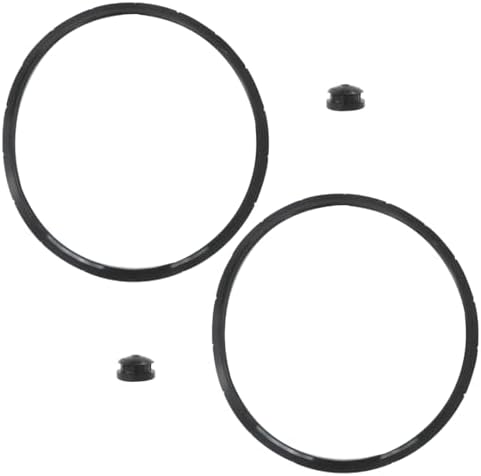
The design consequence worth knowing is the sealing ring. Presto canners seal with a rubber gasket that ages, hardens and eventually needs replacing, which is the single most common reason an older Presto stops holding pressure. It is a cheap part, and our guide to canner gaskets and parts covers which one fits which body.
The 23 Quart Against the 16 Quart
Both hold seven quart jars, which surprises people. The difference is height and therefore pints. Presto lists the 23 quart model 01781 as holding 26 half pints, 20 pints or 7 quarts, and the 16 quart model 01755 as holding 13 half pints, 10 pints or 7 quarts. If you can in pints, the bigger body does two layers and halves your number of batches.
The trade is weight, water and time. A 23 quart canner full of jars is genuinely heavy, takes longer to come up to pressure and longer to come back down, and needs a burner that can hold it. On a small apartment range the 16 quart is the sane choice, and Presto notes that in the 16 quart the half pint and pint capacities apply to the boiling water method.
Best If You Can Vegetables and Meat in Volume
The 23 quart is the workhorse most home canners settle on, because a garden year produces pints faster than anything else and double stacking is the only way to keep up.

Best If Your Kitchen or Stove Is Small
The 16 quart is lighter to lift, quicker to heat and easier to store, and it still runs a full load of quart jars for the big items like soup stock and venison.

Stoves, Glass Tops and Induction
Presto states that the 23 quart 01781 works on electric coil, electric smooth top and gas ranges, and that the induction compatible 23 quart model 01784 adds induction to that list. A regular aluminum canner will not work on induction at all, because the base is not magnetic, so this is the one specification you cannot work around.
Glass smooth tops are a different worry. The canner is flat bottomed and Presto rates it for smooth tops, but the practical limits are weight and the burner cycling on and off, which makes holding a steady pressure harder. Many range manufacturers publish their own guidance on canning, so check the manual for your specific cooktop before you load it.
The Dial Gauge Question
Presto canners use a dial gauge, and a dial gauge is a mechanical instrument that drifts. Extension services test dial gauges for accuracy, usually free or nearly free, and that annual check is the whole reason weighted gauge fans argue for a weight instead. A gauge that reads low is the dangerous direction, because you process below the pressure you think you are holding.
Call your county extension office before canning season and ask about gauge testing. If the gauge is off or the face is fogged, it is a replaceable part rather than a reason to replace the canner.

Keep the Wear Parts on Hand
The sealing ring and the overpressure plug are consumables. Both are inexpensive, both are the usual answer when a canner vents steam around the rim or refuses to build pressure, and neither is something you want to discover on a Sunday with twenty pounds of beans on the counter. Our canner troubleshooting guide walks the free checks first.
The Presto Models Side by Side
Capacities below are Presto’s own published jar figures. Note that quart capacity is identical across the two stovetop sizes, so the decision really is about pints.
| Model | Jar capacity (Presto) | Cooktops | Suits you if |
|---|---|---|---|
| 16 quart 01755 | 13 half pints, 10 pints, 7 quarts | Coil and smooth top | Small kitchen, small batches, lighter lift |
| 23 quart 01781 | 26 half pints, 20 pints, 7 quarts | Coil, smooth top, gas | Garden volume, pints double stacked |
| 23 quart 01784 | Same body, induction compatible | Adds induction | You have an induction hob |
| Precise digital 02144 | 12 quart electric countertop | Plugs in, no burner | See the honest note below first |
An Honest Note on the Digital Canner
Presto also sells an electric countertop canner, the Presto Precise 12 quart digital model 02144, and its product page says the unit automatically detects and maintains 240 degrees F, the temperature Presto states is needed for safe home pressure canning. That is the manufacturer’s claim, and it is worth reading as exactly that.
The USDA processing recommendations that every tested recipe is built on were developed for stovetop canners, and the National Center for Home Food Preservation has not published its own testing of this appliance. Neither the USDA nor the NCHFP certifies or approves canning equipment in the first place. If you buy one, follow Presto’s own instructions to the letter, and read our electric pressure canner guide before you decide.
Frequently Asked Questions
Is the 23 quart Presto too big for a first canner? No, and it is the size most people wish they had bought. It handles a full load of pints in two layers, which is where the time saving is. The only real reasons to go smaller are storage space, lifting it full, and a weak burner.
Can I use a Presto canner on a glass top stove? Presto rates the flat bottomed 16 and 23 quart canners for smooth top ranges. The practical issues are the weight of a full canner and the burner cycling, which makes holding steady pressure harder. Check your range manufacturer’s own canning guidance too.
How do I know my dial gauge is accurate? Have it tested. Extension services check dial gauges, and that annual test is the standard practice for dial gauge canners. A gauge reading low means you are processing at less pressure than you think.
My Presto will not build pressure. What is wrong? Work through the free checks first: seat the lid properly, clear the vent pipe, make sure the sealing ring is clean, seated and not hardened, and confirm the overpressure plug is intact. A stiff or cracked sealing ring is the usual culprit on an older canner.
Does the Presto canner double as a water bath canner? Yes. Presto lists both stovetop canners as doubling for the boiling water method, which is how one pot covers jams, pickles and salsas as well as low acid foods. Details in our water bath canner guide.
Presto or All American? Presto is lighter, cheaper and uses a replaceable rubber gasket. All American uses a machined metal to metal seal with no gasket and weighs far more. We put them head to head in Presto against All American.
The Bottom Line
Pick the 23 quart unless weight, storage or your stove says otherwise, confirm induction compatibility if that is your hob, and treat the dial gauge as a part that needs an annual check rather than a fixed truth. Keep a spare sealing ring in the drawer. Read next: our pressure canner buying guide for how Presto compares to the rest of the field, and the pressure canning walkthrough for your first load.