Last updated: August 23, 2026
Tomatoes are the reason most home canners buy citric acid. Modern varieties sit close enough to the acidity line that tested recipes no longer treat them as a high acid food on their own, and the fix is a measured amount of acid in every jar. It takes ten seconds and it is not optional.
The confusion starts after that. Citric acid, bottled lemon juice, vinegar and ascorbic acid all get talked about together, they are not interchangeable, and only some of them are doing a safety job. This page separates them and gives the amounts NCHFP publishes.
This article contains affiliate links. If you buy through them, we may earn a commission at no extra cost to you. Learn more.
Quick Answer
How much citric acid do you add when canning tomatoes?
- NCHFP directs canners to add half a teaspoon of citric acid or two tablespoons of bottled lemon juice per quart of tomatoes.
- For pints it is a quarter teaspoon of citric acid or one tablespoon of bottled lemon juice.
- NCHFP also lists four tablespoons of five percent vinegar per quart as an alternative, though it changes the flavor more.
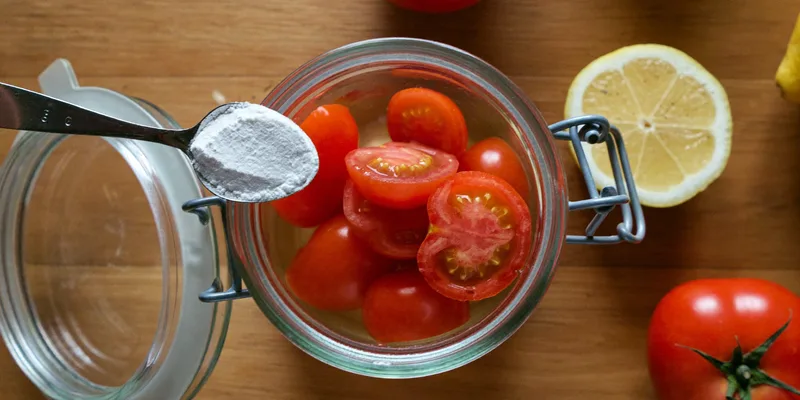
- Acid can be added straight to the jar before filling, and sugar can offset the taste if you want.
Bottom line: acidification is a safety step for tomatoes, and it does not turn any low acid food into a water bath candidate.
Why Tomatoes Need Added Acid
Because they sit right on the line. Canning divides food at roughly pH 4.6, and tomato varieties straddle that threshold depending on cultivar, ripeness and growing conditions. Rather than ask home canners to test every batch, tested recipes require a standard addition that puts every jar safely on the high acid side.
That is why the step appears even in recipes for tomatoes you would swear are tart. Ripeness lowers acidity, overripe fruit lowers it further, and the canner has no way to know where a given basket landed. The addition removes the guesswork.
It Applies to Plain Tomatoes and Juice
Whole, halved, crushed and juiced tomatoes all get acidified in NCHFP’s tomato recipes. Salsas, sauces with added vegetables and anything with meat in it are governed by their own tested recipes instead, and those recipes already contain the acid they need. Do not add extra to a tested salsa on top of what it specifies.
The Amounts NCHFP Publishes
For safe acidity in whole, crushed or juiced tomatoes, NCHFP says to add two tablespoons of bottled lemon juice or half a teaspoon of citric acid per quart. For pints, use one tablespoon of bottled lemon juice or a quarter teaspoon of citric acid. Four tablespoons of five percent acidity vinegar per quart may be used instead.
NCHFP notes that the acid can be added directly to the jars before filling with product, and that sugar may be added to offset the acid taste if you want it. The acid goes in whether you are hot packing or raw packing, and whether or not the recipe also calls for salt.

Citric Acid, Bottled Lemon Juice or Vinegar
All three are accepted in NCHFP’s tomato guidance and they differ mainly in flavor and convenience. Citric acid is neutral tasting, takes almost no space in the pantry and never goes off in any practical sense. Bottled lemon juice adds a faint citrus note. Vinegar is the most noticeable in the finished jar.
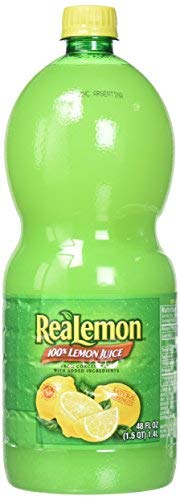
The one rule that is not a preference is bottled rather than fresh. Iowa State University Extension makes the case directly: fresh lemons vary in acidity from fruit to fruit and season to season, while bottled juice is standardized, which is exactly why tested recipes specify bottled.
Measuring Rather Than Pouring
Measure into the jar with a spoon rather than free pouring from the bottle. Under dosing defeats the point, and over dosing makes the tomatoes sharp without adding safety. A quarter teaspoon measure kept in the citric acid tub makes the step automatic across sixty jars.
What Citric Acid Cannot Do
It cannot convert a low acid food into a high acid one for canning purposes. Adding citric acid to green beans, corn, meat or plain soup does not make them safe to process in boiling water, because the amount needed to reliably bring those foods below the threshold is not established in any tested home recipe and would ruin them anyway.
Low acid foods go in a pressure canner. That is the whole division, and no acid powder shortcuts it. Our pages on what you cannot water bath can and choosing a pressure canner cover the other side of the line.
Citric Acid Is Not Ascorbic Acid
They are different compounds doing different jobs, and the names being similar has cost people plenty of batches. Citric acid lowers pH, which is the safety job. Ascorbic acid is vitamin C and it prevents the brown discoloration that apples, pears and peaches develop between peeling and processing.
If your problem is fruit going brown in the jar, ascorbic acid is the product you want, sold both as pure powder and as a blended produce protector. It has no acidifying role worth relying on, and it does not replace the tomato acidification step.

Acid Additions by Jar Size
The table below is the NCHFP tomato acidification guidance in one place. These amounts are for whole, crushed or juiced tomatoes, and tested recipes for salsas and sauces carry their own acid quantities that should not be altered.
| Acid | Per quart | Per pint | Notes |
|---|---|---|---|
| Citric acid | Half a teaspoon | A quarter teaspoon | Neutral flavor, easiest to store |
| Bottled lemon juice | Two tablespoons | One tablespoon | Must be bottled, not fresh squeezed |
| Five percent vinegar | Four tablespoons | Two tablespoons | Most noticeable in flavor |
| Ascorbic acid | Not an acidifier | Not an acidifier | Prevents browning in fruit only |
Buying and Storing It
Look for food grade citric acid, sold as anhydrous granules or powder. The canning aisle version in a small tub and the bulk bag from a food ingredient supplier are the same compound, and the bulk bag makes sense if you put up tomatoes by the bushel. Check the listing states food grade, since citric acid is also sold as a descaling and cleaning product.
Store it dry and sealed. It absorbs moisture from humid air and cakes, which is a nuisance rather than a safety problem, and it breaks up again with a fork. Kept dry it lasts through many seasons, so a bulk bag is not a commitment you will regret.
Frequently Asked Questions
My tomatoes taste acidic enough. Do I still need to add acid? Yes. Taste does not track pH closely enough to judge by, and ripeness and variety both shift the acidity of a batch. NCHFP’s acidification amounts are there so no jar depends on a judgment call, and sugar can offset the taste if the result is sharper than you like.
Can I use fresh lemon juice instead of bottled? No. Iowa State University Extension explains that fresh lemons vary in acidity while bottled juice is standardized, which is why tested recipes specify bottled. Save the fresh lemons for the table.
Does citric acid replace salt in canning? No, they do different things. Salt in most canning recipes is for flavor and can often be reduced or left out, while the acid addition in a tomato recipe is a safety parameter that stays exactly as written.
Can I add citric acid so I can water bath green beans? No. No tested home recipe acidifies low acid vegetables for boiling water processing, and green beans belong in a pressure canner. Adding acid changes the flavor and not the safety category.
What stops canned fruit going brown? Ascorbic acid, not citric acid. Pure ascorbic acid powder or a blended produce protector, used in the holding water while you peel and pack, prevents the discoloration that apples, pears and peaches develop from cut surfaces.
Is citric acid the same as sour salt? Yes, sour salt is an older name for the same compound, still used in some traditional recipes. Make sure what you buy is labeled food grade.
The Bottom Line
Acidify every jar of tomatoes: NCHFP gives half a teaspoon of citric acid or two tablespoons of bottled lemon juice per quart, and half of that per pint, with five percent vinegar as an alternative. Bottled rather than fresh, measured rather than poured. Citric acid does not turn a low acid food into a water bath candidate, and browning is ascorbic acid’s job instead. Read next: what you cannot water bath can, and our pH meter guide if you want to understand the line rather than just follow it.