Last updated: August 23, 2026
Shopping for a home freeze dryer does not work like shopping for a kitchen appliance. There is no aisle to walk down, few side by side listings, and the brands that matter sell mostly from their own websites. That is why the search results fill up with review posts rather than product pages, and why it is hard to tell what your real options are.
The market has also stopped being a one brand market. Harvest Right is still the default and still the biggest, but there are now several direct to consumer competitors with different tray layouts and different pitches. This page lays out what separates them, what to check before ordering, and the honest case for not buying one at all.
This article contains affiliate links. If you buy through them, we may earn a commission at no extra cost to you. Learn more.
Quick Answer
What should decide which home freeze dryer you buy?
- Tray area and batch weight, since cycle time barely changes with how full the machine is.
- Pump type. An oil pump needs oil changes and filtering, an oil free pump removes that chore.
- Where it will live. These are loud, heavy and warm, and most end up in a garage or basement.
- Parts and support, because these are direct to consumer machines and you cannot walk one back to a store.
Bottom line: buy on capacity, pump and support. If you cannot name the foods you need it for, buy a dehydrator instead.
How This Market Is Structured
The main home freeze dryer brands sell direct rather than through general retail. That means limited third party pricing, few marketplace listings for the machines themselves, and shipping arrangements that vary by brand. Accessories are the opposite, widely available and where most owners spend after purchase.
Harvest Right has been building residential machines out of Utah since 2012 and has the largest installed base, which matters practically. More owners means more forum answers, more used parts and more accessories designed around its tray dimensions. That ecosystem is a genuine buying factor, not brand loyalty.
What Costco and the Big Retailers Sell
What appears at warehouse clubs and general retailers is usually a bundle arranged with one of the manufacturers, or the freeze dried food rather than the machine. Read those listings carefully. Our page on what Costco actually sells covers what turns up there.
The Brands Worth Comparing
Four names cover most of the home market, and they differ on tray layout, pump options and how much of the process they automate. None of them is sold widely enough to compare on a marketplace, so compare on capacity and support instead.
| Brand | Sales channel | What it leads with | Suits |
|---|---|---|---|
| Harvest Right | Direct, limited dealers | Four sizes, largest owner base | Most buyers, best parts access |
| Blue Alpine | Direct to consumer | Consumer focused design, wide trays | Buyers wanting a different tray layout |
| Stay Fresh | Direct to consumer | Markets a food temperature probe | Buyers chasing shorter cycles |
| Prep4Life Cube | Direct to consumer | Modular shelving, small footprint | Tight spaces with capacity needs |
Harvest Right lists its four home sizes by tray count, from four trays on the Small up to seven on the X-Large, with the Small rated at 6 to 10 pounds of fresh food per batch. Our size by size guide works through which fits which household, and the Blue Alpine comparison covers the closest alternative.
Capacity Is the Decision You Cannot Undo
Buy on batch weight and tray area, not on tray count, and lean larger than feels comfortable. A cycle takes the best part of a day whether the machine is full or half empty, so an undersized unit does not save you time, it doubles the number of cycles you run through a harvest.
The counterweight is physical. Larger machines are heavier, louder and warmer, and they need a floor and an outlet you have planned for. A machine that ends up in an awkward corner because it did not fit the intended spot is a machine that gets used less.
Extra Trays Change the Workflow
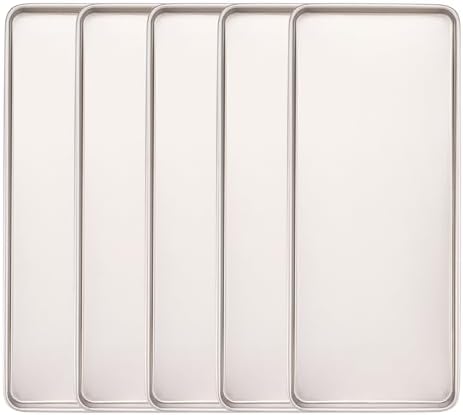
A second set of trays lets you prepare and pre freeze the next batch while the current one is still running. It is the most common first accessory for a reason, and trays are sized to the specific machine, so buy for your model rather than generically.
Oil Pump or Oil Free, and What Maintenance Looks Like
Most brands offer both. An oil pump costs less and works well, but the oil needs changing and filtering as part of normal use, and that routine is the single most common friction point in owner discussions. An oil free pump removes the chore at a higher purchase price.
Whichever you choose, budget for consumables from the start. Oil, filters and spare gaskets are ordinary running costs on these machines rather than optional extras, and running tired oil is a common cause of cycles that fail to hold vacuum.
Packaging Belongs in the Purchase Decision
A freeze dryer without proper packaging is an expensive way to make food that takes moisture straight back out of the air. Utah State University Extension describes mylar bags of 5 to 7 mil without clear plastic windows, paired with oxygen absorbers, as the best long term protection.
Plan for bags, absorbers and a sealer in the same order as the machine. See the mylar guide for thickness and sizing, and expect to seal each batch as soon as it comes out rather than the following day.

The Case for Not Buying One
For most households the honest answer is still a dehydrator. Garden produce, jerky, herbs, fruit leather and pet treats are all dehydrator work, and a good machine costs a small fraction of a freeze dryer while taking up a cupboard shelf rather than a corner of the garage.
Buy the freeze dryer when you can name the foods that need it: complete meals, eggs, pasteurized dairy, or produce you want to rehydrate rather than snack on dry. If the list is short, spend the difference on a better dehydrator and proper storage. Our comparison puts the two processes side by side.

What the Machine Will Not Do
It will not make unsafe food safe. Utah State University Extension states that bacteria can survive freeze drying and become active again when water is added back, and that anything requiring rehydration should have a kill step such as cooking. Start with sound ingredients and cook rehydrated meals.
It also handles high fat food poorly. The same source notes that fat does not freeze like water, which slows the process and increases spoilage risk, and advises avoiding high fat foods where possible. Butter and rich cheeses are the classic disappointments in a first month.
Small, Countertop and Mini Freeze Dryers
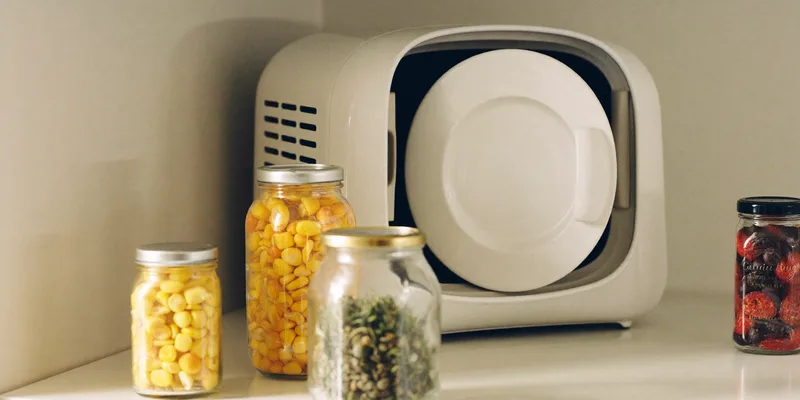
There is no countertop freeze dryer in the sense people mean when they search for one. The smallest home machines are floor or bench units roughly the size of a large microwave with a vacuum pump standing beside them, and they need clearance, a suitable outlet and a spot where the noise does not matter. Small here means fewer trays, not a small footprint.
Harvest Right lists its Small at four trays and 6 to 10 pounds of fresh food per batch, and that is the entry point of the category rather than a compact appliance. Listings that advertise a mini or countertop freeze dryer are usually either the same class of machine described optimistically or a dehydrator borrowing the words. Check the tray count, the stated batch weight and whether a vacuum pump is included before you believe the label.
Frequently Asked Questions
Can I buy a home freeze dryer on a marketplace? Rarely for the machines themselves, since the main brands sell direct with limited dealer networks. Trays, pump oil, filters, mylar and sealers are widely available, and those are the purchases most owners repeat.
Which size should I get? Larger than you first think, because cycle length hardly changes with load. A family with a garden usually lands on a mid size machine, and households with big harvests or a hunting season go up one from there.
Is a cheaper brand a real alternative to Harvest Right? They are genuine machines and some undercut on price or offer different tray layouts. What you trade is the size of the owner community and the availability of parts and accessories, which is worth more than it sounds two years in.
How much noise and heat should I expect? Enough that most owners keep the machine out of the kitchen. The compressor and the vacuum pump both run for the whole cycle, and the machine warms the room around it, which is why garages and basements are the usual homes.
Can I run one in an apartment? It is possible if you have a suitable outlet and can tolerate the noise, but the heat and the running hours make it difficult in a small space. This is the case where a dehydrator plus a chest freezer usually serves better.
The Bottom Line
Choose a home freeze dryer on batch capacity, pump type and the support behind it, not on the feature list, and remember that these are direct to consumer machines you cannot compare in a store. Size up rather than down, because cycle time is nearly the same whether the trays are full or half empty. Budget for trays, oil, filters and mylar packaging from the beginning. And if you cannot name the foods that need this process, buy a dehydrator and keep the difference. Read next: which Harvest Right size fits and what one costs to own and run.