Last updated: August 23, 2026
Someone buys five pounds of a coffee they love, vacuum seals it in neat one pound bags the same afternoon, and finds the bags puffed up like pillows two days later. The sealer is fine. The beans are fine. What happened is that freshly roasted coffee gives off carbon dioxide for days after it leaves the roaster, and a sealed bag has nowhere to put it.
That single fact explains most of the frustration around vacuum sealing coffee, and it also points at the answer. Vacuum sealing is an excellent tool for coffee, as long as you use it at the right moment and store the sealed portions in the right place. This guide covers when to seal, what to seal into, and the gear that suits a bulk coffee habit.
This article contains affiliate links. If you buy through them, we may earn a commission at no extra cost to you. Learn more.
Quick Answer
Should you vacuum seal coffee beans?
- Yes for bulk you are storing, no for the bag you are drinking this week.
- Let freshly roasted beans finish degassing before you seal, or the bag will inflate.
- Seal whole beans, never ground, and seal in portions you will finish once opened.
- A jar sealer plus mason jars is the tidiest setup for a coffee habit; canisters suit the daily jar.
Bottom line: vacuum sealing protects the coffee you are not drinking yet, and the timing matters more than the machine.
Why Sealed Coffee Bags Puff Up
Roasting produces carbon dioxide inside the bean, and the bean releases it slowly for days afterward. That is degassing, and it is why bags from a good roaster have a small one way valve on the front. The valve lets gas out and keeps air from getting back in.
Seal fresh beans in a vacuum bag and the gas has nowhere to go, so the bag inflates and the vacuum you paid for disappears. Nothing is spoiled, but the seal is no longer doing anything useful.
How long to wait
Degassing time varies by roast level and bean, and the roaster who made your coffee is the best guide to their own product. Darker roasts release gas faster than lighter ones. If a roast date is printed on the bag, use it, and let the beans rest in their valved bag before you portion and seal.
What Actually Stales Coffee
Oxygen is the main enemy, and it is why vacuum sealing helps at all. The oils that carry most of coffee’s aroma oxidize on contact with air, and once they have, no container brings them back. Heat, light and moisture all accelerate the same process.
The National Coffee Association’s storage guidance recommends keeping coffee in an opaque airtight container at room temperature, away from heat and light, and buying in quantities you will use within a reasonable window. Vacuum sealing is one way of hitting the airtight part of that, and it does the oxygen job better than a clip on the bag.
Whole bean, always
Ground coffee exposes vastly more surface area to air, so it stales far faster than beans do. Seal whole beans and grind what you need. A sealed bag of pre ground coffee is a compromise the vacuum cannot rescue.
Jars, Canisters or Bags
Three formats cover the job and they suit different parts of the same habit. Jars with a jar sealer are reusable and let you see the level. Canisters are the everyday container you open daily. Bags are for the deep freeze portions and the bulk you will not touch for months.
| Format | Best for | Strength | Limitation |
|---|---|---|---|
| Mason jar plus jar sealer | Weekly and monthly stock | Reusable, resealable, no bag waste | Glass is bulky and lets light in |
| Vacuum canister | The jar you open every morning | Fast to reseal, holds a vacuum between uses | Costs more per unit of volume |
| Vacuum bags | Bulk portions and freezer storage | Compact, best air removal | Single use, and beans can pierce thin bags |
| Original valved bag | Beans still degassing | Vents gas, keeps air out | Poor once opened and clipped |
Storage principles follow National Coffee Association guidance; container behavior comes from manufacturer specifications.
The Setup Most Coffee Drinkers End Up With
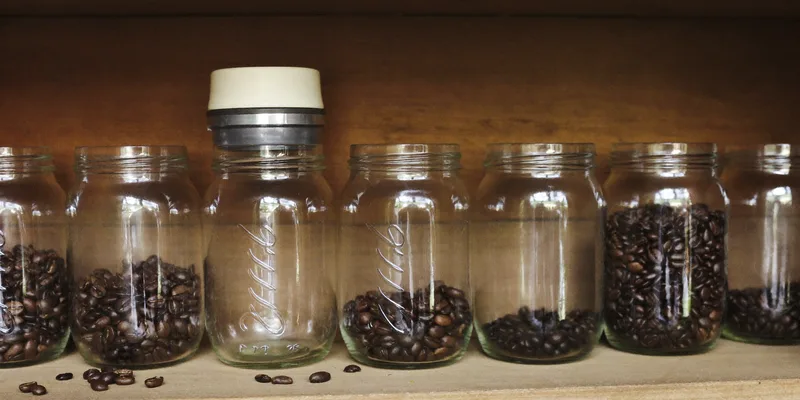
A jar sealer attachment on a machine you already own is usually the cheapest useful upgrade. It pulls the air out of a standard mason jar through the lid, so you can portion a bulk bag into jars, seal them all, and open one at a time.
The advantage over bags is that a jar reseals. Every time you take beans out, the remaining jar can be pulled back down to vacuum, which bags cannot do without cutting and resealing them shorter each time.
Best way to seal coffee in jars
A wide mouth jar sealer attachment fits over a standard canning lid and connects to the accessory port on most household sealers. It is the piece that turns a bag machine into a jar machine.

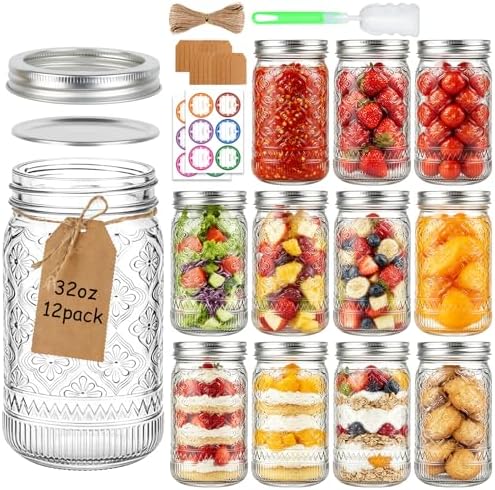
Best jars for portioning a bulk order
Wide mouth quarts hold a useful amount of whole bean coffee, take a scoop without spilling, and stack on a shelf. Store them somewhere dark, since glass does nothing about light.
Canisters and Bags for the Rest
A vacuum canister is the container that lives on the counter. You open it every day, and a quick pull on the accessory hose puts it back under vacuum in seconds. That daily convenience is what canisters are for, and it is the reason they beat jars for the working supply.
Bags come into their own for bulk. If you buy coffee by the large sack and want to put most of it in the freezer, sealed portions are the right format, because you take one out and leave the rest untouched and frozen.
Best canister for daily coffee
A canister set with an accessory hose covers the counter jar and gives you spares for other dry goods. Look for a lid that holds the vacuum overnight rather than one that creeps back.

Best bags for freezer portions
Embossed rolls let you cut a bag to the exact portion size, which matters when you are freezing single week amounts. Double seal each bag, because a bean edge against a thin seal is a slow leak.

Frequently Asked Questions
Why did my vacuum sealed coffee bag inflate? Freshly roasted beans release carbon dioxide for days after roasting. Sealed in a bag with no valve, that gas inflates the bag and cancels the vacuum. Let the beans rest in their valved bag first, then portion and seal.
Can I vacuum seal ground coffee? You can, but it stales much faster than whole beans because of the surface area, and the vacuum does not change that. Seal whole beans and grind to order.
Should coffee go in the freezer? For long term storage of a bulk buy, sealed portions in the freezer are a common approach. The National Coffee Association’s guidance emphasizes an airtight opaque container and warns against repeatedly taking coffee in and out, since condensation is the risk.
Do I need a chamber sealer for coffee? No. A household external sealer with a jar attachment covers coffee comfortably. Chamber machines matter for liquids and volume, which our chamber sealer guide covers.
Will a jar sealer work on any mason jar? It works on standard regular and wide mouth canning jars with a flat lid. Buy the attachment that matches your jar mouths, or a kit with both. Our jar sealer guide compares the options.
How long does vacuum sealed coffee stay good? Longer than an open bag and shorter than most people hope, because oxidation is only one of the things happening. Roast date, storage temperature and how often you open the container matter more than the seal alone.
The Bottom Line
Let fresh beans finish degassing, then seal whole beans in portions you can finish once opened, and keep them cool, dark and airtight the way the National Coffee Association’s guidance describes. A jar sealer plus mason jars handles the pantry, a canister handles the counter, and bags handle the freezer. If you are starting from nothing, our vacuum sealer buying guide covers machines and our container guide covers the canister side.