Last updated: August 23, 2026
Harvest Right is the name that comes up first because it got here first. The company has been building residential freeze dryers out of Utah since 2012, and for most of that time it was the only realistic way to run the process at home. That history is why almost every freeze drying video, forum thread and accessory on the market assumes a Harvest Right sitting in the garage.
What people actually need help with is the size. There are four home sizes, they differ by more than one tray, and the wrong choice shows up as either a machine that cannot keep up with a harvest or one that runs half empty for a full cycle. This page works through which size fits which household, and is honest about how the company sells.
This article contains affiliate links. If you buy through them, we may earn a commission at no extra cost to you. Learn more.
Quick Answer
Which Harvest Right size fits your batch?
- Small, four trays. A couple, a small household, or someone testing whether they will really use it.
- Medium, five trays. The size most home buyers land on, and the usual answer for a family with a garden.
- Large, six trays. Serious volume, big garden, hunting household, or a group buying together.
- X-Large, seven trays. Homestead scale, and a machine that needs a dedicated room rather than a corner.
Bottom line: cycle time barely changes with size, so buying too small means more cycles, not shorter ones.
How Harvest Right Sells, and What That Means for You
Harvest Right sells largely direct to consumers from its own site, with a limited number of specialist dealers. You will not find the machines lined up on a general marketplace the way kitchen appliances are, and that changes how you shop, since there is little third party price competition on the machine itself.
Accessories are the exception. Extra trays, vacuum pump oil, oil filters, mylar bags and sealers are widely available, and that is where most owners spend after the purchase. If you are comparing this brand against another, do it on capacity and support rather than on a marketplace listing that may not exist.
The Four Home Sizes
Harvest Right lists four home sizes by tray count: Small with four trays, Medium with five, Large with six and X-Large with seven. Tray count understates the difference, because the trays themselves grow with the machine, so total tray area rises much faster than the number suggests.
For batch capacity, Harvest Right lists the Small at 6 to 10 pounds of fresh food per batch and up to 1,800 pounds per year, and its published size comparison puts the Medium at 10 to 15 pounds, the Large at 18 to 27 pounds and the X-Large at 40 to 50 pounds per batch.
| Size | Trays | Fresh food per batch | Suits |
|---|---|---|---|
| Small | 4 | 6 to 10 pounds | Couples, apartments, trying it out |
| Medium | 5 | 10 to 15 pounds | Families with a garden |
| Large | 6 | 18 to 27 pounds | Big harvests, hunting households |
| X-Large | 7 | 40 to 50 pounds | Homesteads, shared purchases |
Those figures come from Harvest Right’s own capacity listings. Treat them as what the machine holds rather than what you will process, since dense food and thick layers both extend a cycle.
Why Cycle Length Pushes You Up a Size
A freeze drying cycle takes the best part of a day or longer regardless of how full the trays are. That is the argument for sizing up rather than down. A half loaded Medium and a full Medium cost roughly the same in time and power, so an undersized machine multiplies cycles instead of shortening them.
The counterargument is real too. A larger machine takes more floor space, weighs more, and puts more heat and noise into the room for that whole cycle. If it ends up somewhere inconvenient because it did not fit where you planned, it gets used less.
Where Owners Put Them
Garages, basements and utility rooms, overwhelmingly. The compressor and the vacuum pump both run for hours, and the machine warms the room it is in. Plan the location, the outlet and the floor before you order, because moving one afterward is a two person job.
Oil Pump or Oil Free
Harvest Right offers both pump types, and this is the choice that affects your week to week experience most. An oil pump is the traditional option and needs oil changes and filtering as part of normal use. An oil free pump removes that chore and costs more up front.
Owners who chose oil pumps report the maintenance as the main friction point, and filtering used oil is the routine most new owners underestimate. If that sounds like something you will put off, the oil free option is worth the difference. Our maintenance guide covers the oil routine step by step.

The Accessories That Change Daily Use
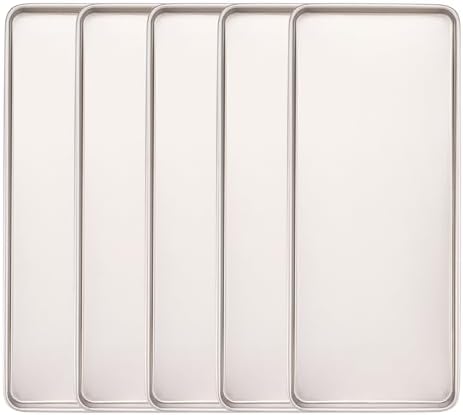
Two purchases show up in almost every owner thread. A second set of trays, so you can load the next batch while the first is still in the machine, and proper packaging, because a freeze dried batch that sits in a thin bag pulls moisture back out of the air.
Extra trays are the most common first accessory because they turn a serial workflow into a parallel one. See our guide to trays and dividers for the sizing, since trays are specific to the machine size.
Packaging Is Not Optional
Utah State University Extension describes mylar bags of 5 to 7 mil without clear plastic windows, paired with oxygen absorbers, as the best long term protection for freeze dried food. Thin bags and clear windows are the two economies that cost people their batches.

What Harvest Right Does Not Do
It does not sterilize food. Utah State University Extension states that bacteria can survive the freeze drying process and become active again when water is added back, and that anything you rehydrate should have a kill step such as cooking. Start with safe ingredients and cook rehydrated meals.
It also does not handle high fat food well. The same extension source notes that fat does not freeze like water, which slows the process and raises the spoilage risk, and advises avoiding high fat foods where possible. Butter, oily meats and rich cheeses are the usual disappointments.
Frequently Asked Questions
Which Harvest Right size do most home buyers choose? The Medium is the common landing point for a family, because five trays handle a garden harvest without needing a dedicated room. Households with big gardens, a hunting season or a group arrangement tend to go to the Large instead.
Can I buy a Harvest Right on a marketplace? The machines are sold mainly direct by the company and through a limited dealer network, so marketplace listings for the machine itself are uncommon. Trays, pump oil, filters, mylar and sealers are widely available and are where most owners buy.
Is the oil free pump worth the extra? If you dislike maintenance, yes. The oil pump works well and costs less, but it needs oil changes and filtering as routine. That chore is the most common complaint in owner discussions, and it is entirely predictable.
How loud is it and how much heat does it add? Loud enough and warm enough that most owners keep it out of the kitchen. Between the compressor and the vacuum pump it runs for the whole cycle, which is why garages and basements are the usual homes for these machines.
What if my cycles keep failing? Work through the basics before assuming a fault: door gasket seating, drain valve closed, pump oil condition, food loaded too thick, and room temperature. Our maintenance and troubleshooting guide runs through the order to check them in.
The Bottom Line
Harvest Right’s four home sizes differ in tray count and considerably more in tray area, so match the size to how much you process in a season rather than to what fits the space you first thought of. Cycle time barely changes with load, which is the case for sizing up. Decide the pump type honestly, plan for a garage or basement, and budget for trays and proper mylar packaging from the start. Read next: whether you need a freeze dryer at all and what one costs to own.