Last updated: August 23, 2026
The bag of pecans that tasted like crayons in February. The jar of dehydrated tomatoes that came back soft. The rice that was fine until it was not. Dry storage failures are quiet, and they almost always come down to two things sitting in the container along with the food: oxygen and moisture.
Vacuum sealing a mason jar takes care of most of the first one and none of the second. Understanding that split is what separates a pantry that still works next winter from a shelf of jars that look tidy and taste stale. This is the practical version: what to seal in jars, what to put in mylar instead, and where an absorber earns its place.
This article contains affiliate links. If you buy through them, we may earn a commission at no extra cost to you. Learn more.
Quick Answer
What can you actually store by vacuum sealing dry goods in jars?
- Dry, low moisture food only: rice, beans, pasta, flour, sugar, nuts, coffee, dried herbs, dehydrated fruit and vegetables.
- Glass keeps out pests and light does the damage, so a dark shelf matters as much as the seal.
- Add an oxygen absorber for anything you want to hold for years rather than months.
- It is not canning. Nothing moist becomes shelf stable because you pulled the air out.
Bottom line: jars plus vacuum plus a cool dark shelf handles the kitchen pantry, mylar in buckets handles the multi year stash.
Which Dry Goods Are Worth Sealing
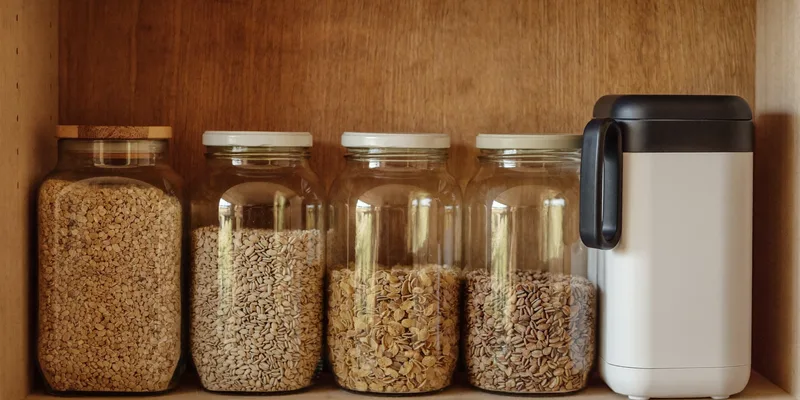
Anything already dry that goes stale, rancid or buggy. Nuts and whole grain flours top the list because their fats oxidize fastest, followed by coffee, dried herbs and spices, dehydrated fruit and vegetables, jerky, pasta, white rice, beans, sugar and powdered milk. All of them are stable on a shelf already; sealing slows the decline.
What is not worth the jar space is anything you turn over in a month. Sealing the flour you bake with weekly gains nothing but a broken seal every Saturday. Reserve the technique for backstock, bulk buys and the bags you opened once and will not finish until spring.
Dehydrated food is the best fit of all
Home dried food is the case where jar sealing pays off most, because you control the dryness going in and the jar keeps it there. Conditioning first, meaning a week in a loosely packed jar shaken daily to even out residual moisture, catches the pieces that were not dry enough before they spoil a whole batch. Our guide to storing dehydrated food covers that step properly.
Does This Replace Canning? No
It does not, and treating it as if it does is the one dangerous mistake in this whole topic. The National Center for Home Food Preservation is direct about it: removing oxygen does not prevent the growth of Clostridium botulinum, which grows in the absence of air, so vacuum packaging is not a substitute for canning, refrigeration or freezing.
In practice that means a vacuum sealed jar of soup, sauce, cooked beans, butter, cheese, fresh produce or any moist low acid food goes in the refrigerator or freezer, full stop. Shelf stable wet food comes from heat processing in a pressure canner or, for high acid foods, a water bath canner, following tested recipes.
The claims to ignore
Sealed dry powders such as flour and powdered eggs are fine on a shelf; sealed dairy, meat and moist foods are not, whatever a video suggests. Dry canning, meaning heating jars of dry food in an oven to force a seal, is not a recommended method either, and NCHFP does not endorse it.
The Working Setup
Three pieces: a jar sealer, flat canning lids, and jars in the sizes you actually use. A cordless jar sealer covers both mouth sizes on most models and needs no machine; an attachment on an accessory hose does the same job if you already own a bar sealer. Rings are optional once the jar is sealed and only get in the way on a shelf.
Quart jars suit grains, beans and pasta; pints suit nuts, coffee and dried herbs; half gallons suit flour and sugar if your shelf takes the height. Wide mouth is easier to fill and to scoop from, which matters more than it sounds when you are decanting a bulk bag.
Best if you have no bar sealer
A rechargeable jar sealer sits on the lid, pulls the air, and goes back in the drawer. For a pantry that is entirely dry goods it does everything an attachment would.

Best for jars you want to fill and scoop from
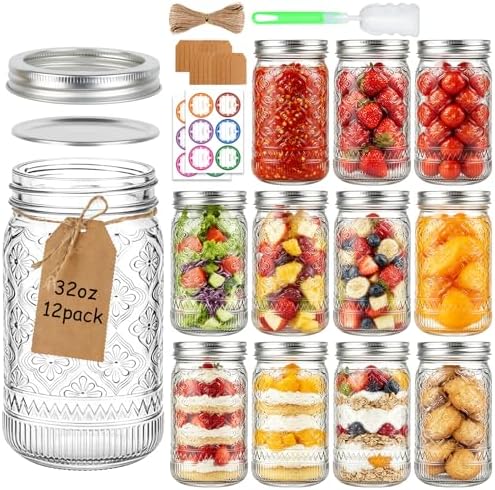
Wide mouth quarts are the workhorse size for a decanted pantry, and a case of them is cheaper per jar than buying in twos. They also take the same lids as the rest of your canning stock.
Vacuum Alone, or Vacuum Plus an Oxygen Absorber?
A vacuum removes most of the air in the jar. An oxygen absorber removes the oxygen that is left, including what seeps back over months. For anything you plan to open within a year, the vacuum alone is enough. For a multi year stash of grains or dried food, the absorber is what keeps the fats from turning.
Absorbers are sized by the volume of the container, not the weight of the food, and they start working the moment the pouch is opened, so work in batches and reseal the spares immediately. See our oxygen absorber guide for sizing by jar volume.
Best for multi year jar storage
Absorbers come in mixed cc ratings; the larger sizes suit quart and half gallon jars, the smaller ones suit pints. Buy them in a resealable pouch rather than a loose bag.

Best for anything that must stay crisp
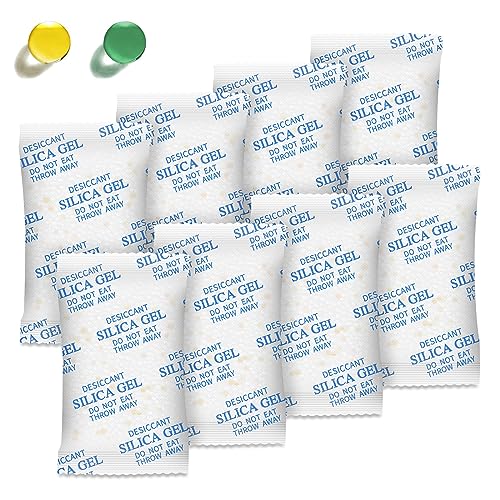
Desiccants handle moisture, absorbers handle oxygen, and the two are not interchangeable. A food grade desiccant packet is what keeps dehydrated apple slices snapping rather than bending.
Jars or Mylar: Where the Line Falls
Jars win in the kitchen: reusable, pest proof, easy to see into, easy to open and reseal. Mylar in a bucket wins for volume and for anything going into a garage or basement, because glass breaks and a fifty pound bag of rice does not fit in pints. Most households end up running both.
| Food | Jar or mylar | Absorber | Notes |
|---|---|---|---|
| Nuts, whole grain flour | Jar, cool and dark | Yes beyond a few months | Fats oxidize first; freezer is better still |
| White rice, beans, pasta | Mylar in a bucket for bulk | Yes for long term | Jars only for kitchen quantities |
| Coffee, dried herbs | Jar | Optional | Light is the main enemy; keep it dark |
| Dehydrated fruit and vegetables | Jar | Yes, plus a desiccant | Condition the batch before sealing |
Guidance here reflects general home storage practice rather than a processing standard; for shelf life of a specific food, check NCHFP or your state extension service.
Mistakes That Cost People a Batch
Overfilling is the common one. Food touching the lid means the sealing compound never gets a clean contact, and powders in particular drift up during the vacuum cycle and dust the rim. Leave a finger of headroom and wipe the rim dry before every seal.
The second is sealing food that was not dry enough. Dehydrated fruit that feels leathery in a warm kitchen can still hold enough moisture to mold in a sealed jar, which is exactly what conditioning is for. If a jar fogs up on the inside after a day, open it and dry the contents further.
Storing in the light
Glass does nothing against light, and light degrades fats, vitamins and color faster than most people expect. A closed cupboard, a cardboard box on the shelf, or a basement rack beats a pretty row of jars on an open counter every time.
Frequently Asked Questions
My dry goods still went stale in a sealed jar. Why? Usually light and warmth rather than a failed seal. A jar on a sunny counter in a warm kitchen ages faster than an unsealed jar in a cool dark cupboard. Move the jars first, then add an oxygen absorber.
Can I vacuum seal flour and sugar in jars? Yes, both store well. Sugar can harden under vacuum, so many people leave sugar unsealed or use a desiccant free jar and just keep it dry. Flour benefits most if it is whole grain.
Do I need an oxygen absorber if I vacuum seal? Not for months, yes for years. The vacuum takes out the bulk of the air; the absorber mops up the remainder and anything that migrates back in over time.
Is it safe to vacuum seal cheese or butter in a jar for the pantry? No. Those are refrigerator foods, sealed or not. NCHFP guidance is that vacuum packaging does not replace refrigeration, because the organism behind botulism grows without oxygen.
Should I use jars or mylar bags for rice? Jars for the amount you cook from, mylar in a food grade bucket for the bulk. See storing rice long term and our mylar bag guide.
How do I know the jar is still sealed? The lid stays dished down and does not flex when pressed. If it clicks under your thumb, the seal is gone. Reseal with a fresh lid or move the contents to a jar you will use sooner.
The Bottom Line
Vacuum sealing dry goods in jars is one of the highest return habits in a home pantry, as long as you keep the line clear: dry food on a dark shelf, moist food in the refrigerator, and heat processing for anything that has to be shelf stable and wet. Start with the hardware in our mason jar vacuum sealer guide, then size your absorbers with the oxygen absorber chart.